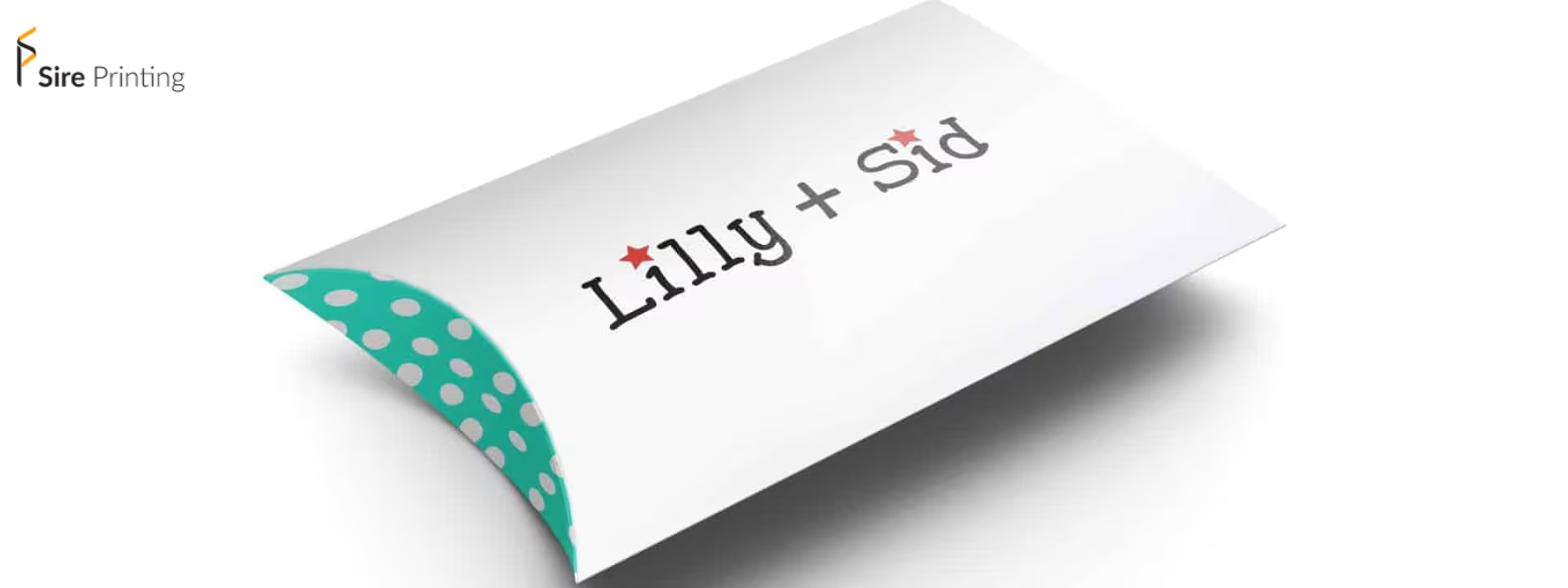
What’s the Best Way to Pack Pillows? A Smart Guide for Safe and Stylish Packaging
Packing pillows may sound simple. After all, they’re soft, lightweight, and flexible. But if you’ve ever shipped, stored, or sold pillows, you know it’s not that easy. Pillows can lose shape, collect dust, and absorb moisture during transit. If they arrive wrinkled or compressed in the wrong way, customers may think the product is low quality—even when it’s not. That is why choosing the right custom pillow boxes is essential to protect your product, maintain its structure, and present it professionally to your buyers.
Understanding the Challenges of Packing Pillows
Pillows are bulky but lightweight. That creates a unique packaging challenge.
They take up space, which increases shipping costs. At the same time, they’re soft, which means they can flatten or shift during transport. Decorative pillows may also include delicate fabrics, embroidery, or embellishments that require extra care.
Without proper packaging, you risk:
- Misshaped products
- Wrinkles and creases
- Fabric damage
- Negative customer impressions
The best packaging protects the pillow’s structure while keeping presentation clean and attractive.
Choosing the Right Packaging Based on Purpose
Before deciding how to pack your pillows, ask yourself one important question: where will they go next?
For Shipping Direct to Customers
If you’re shipping throw pillows or cushion covers to customers, vacuum sealing can reduce size and lower shipping costs. However, this method works best for polyester-filled or compressible inserts.
Memory foam or structured pillows should not be tightly compressed for long periods. They may take time to regain shape, which can disappoint buyers.
Instead, use protective wrapping combined with structured outer packaging that prevents over-compression.
For Retail Display
If pillows are being sold in stores, presentation becomes just as important as protection.
In this case, custom pillow boxes offer both structure and branding space. They keep the pillow clean while allowing you to showcase your logo, product details, and design theme. A well-designed box turns a simple pillow into a premium home décor item.
Retail packaging should balance protection with shelf appeal.
For Storage and Bulk Distribution
When preparing large inventory for warehouses or bulk delivery, durability matters most. Pillow boxes wholesale options are helpful when you need consistent sizing and cost efficiency for higher volumes.
Uniform packaging also makes stacking and organization easier in storage environments.
The Role of Custom Pillow Packaging in Branding
In today’s U.S. market, customers expect more than just a product. They expect an experience.
Custom pillow packaging allows brands to control how their product is perceived from the moment it’s seen. Whether you sell farmhouse-style cushions, luxury velvet pillows, or seasonal décor, your packaging should reflect that identity.
For example, a minimalist kraft box creates a natural, eco-conscious look. A rigid, laminated box with foil stamping feels high-end and gift-worthy. The right packaging tells customers what to expect before they even touch the fabric.
Strong packaging design builds trust and encourages repeat purchases.
Step-by-Step: The Best Way to Pack Pillows for Shipping
If your main concern is safe delivery, follow these five practical steps:
-
Fluff and reshape the pillow fully before packing to ensure it starts in perfect condition.
-
Wrap it in protective plastic or tissue to guard against dust and moisture.
-
Use a properly sized box so the pillow fits snugly without being crushed.
-
Fill empty spaces with lightweight padding to prevent movement during transit.
-
Seal securely and label clearly to avoid mishandling.
This method keeps the pillow protected while maintaining its shape as much as possible.
Should You Compress Pillows Before Packing?
Compression can reduce shipping costs, but it’s not always the best option.
Poly-fill and down-alternative pillows usually bounce back after unpacking. However, natural down or structured foam inserts may lose loft if compressed too tightly or for too long.
If you choose compression, include clear instructions inside the package explaining how to reshape the pillow. This small step reduces confusion and improves customer satisfaction.
Remember, saving a few dollars on shipping is not worth negative reviews.
Packaging Materials That Work Best
Different materials serve different needs. Corrugated cardboard provides strength and durability. Rigid boxes offer a luxury feel. Kraft paperboard gives a natural look and works well for eco-conscious brands.
Many companies combine protective inner wrapping with decorative outer boxes. This layered approach protects the product while keeping presentation clean.
Brands that specialize in custom printing and packaging often recommend matching material thickness with pillow size and weight. Oversized packaging not only increases shipping cost but also weakens the presentation.
If you're building a premium packaging strategy, working with experienced providers like Sire Printing can help ensure your boxes are structurally sound and visually aligned with your brand goals.
Retail vs. E-Commerce: Different Packaging Strategies
Retail buyers interact with packaging in person. They see it on shelves and compare it with other brands instantly. In this setting, sturdy and visually appealing boxes matter most.
E-commerce customers, on the other hand, judge packaging based on how it arrives. They care about damage prevention, ease of unboxing, and overall presentation.
For online brands, adding branded inserts, thank-you cards, or care instructions enhances the unboxing experience. These small details turn a simple purchase into something memorable.
Cost Considerations Without Sacrificing Quality
Many small businesses worry that custom packaging is too expensive. But smart planning makes it manageable.
Ordering pillow boxes wholesale reduces per-unit costs, especially when your product dimensions are standardized. Choosing one versatile box size for multiple pillow designs can also simplify production.
Avoid over-designing your packaging at the beginning. Start with a clean, functional design. As your brand grows, you can upgrade finishes and materials.
The goal is balance: protect the pillow, control costs, and maintain brand consistency.
Common Mistakes to Avoid When Packing Pillows
Even well-made pillows can suffer from poor packaging decisions. One common mistake is using oversized boxes. This causes the pillow to shift during shipping, increasing the risk of creases.
Another issue is skipping moisture protection. Fabric absorbs humidity easily, especially during cross-country shipping in the USA. A simple inner protective layer prevents odor and fabric damage.
Finally, avoid unclear labeling. If customers don’t understand how to restore shape after unpacking, they may assume the product is defective.
Clear communication protects your reputation.
How Packaging Impacts Customer Perception
Customers often connect packaging quality with product quality. If a pillow arrives in a thin, dented box, it can lower perceived value—even if the pillow itself is perfect.
On the other hand, structured and well-designed custom pillow boxes create a premium first impression. That impression influences reviews, referrals, and repeat purchases.
In competitive home décor markets, packaging can be the difference between a one-time buyer and a loyal customer.
Final Thoughts: Smart Packing Is a Business Strategy
The best way to pack pillows isn’t just about wrapping and sealing. It’s about protecting shape, controlling costs, and presenting your product professionally.
If you’re shipping directly to customers, focus on protection and structure. If you’re selling in stores, prioritize branding and shelf appeal. If you’re scaling, wholesale options and consistent sizing will help streamline operations.
Above all, remember this: packaging is not an afterthought. It’s part of your product experience.
When done right, custom pillow boxes protect your investment, elevate your brand, and give customers confidence from the very first glance.
And in today’s market, that confidence matters more than ever.