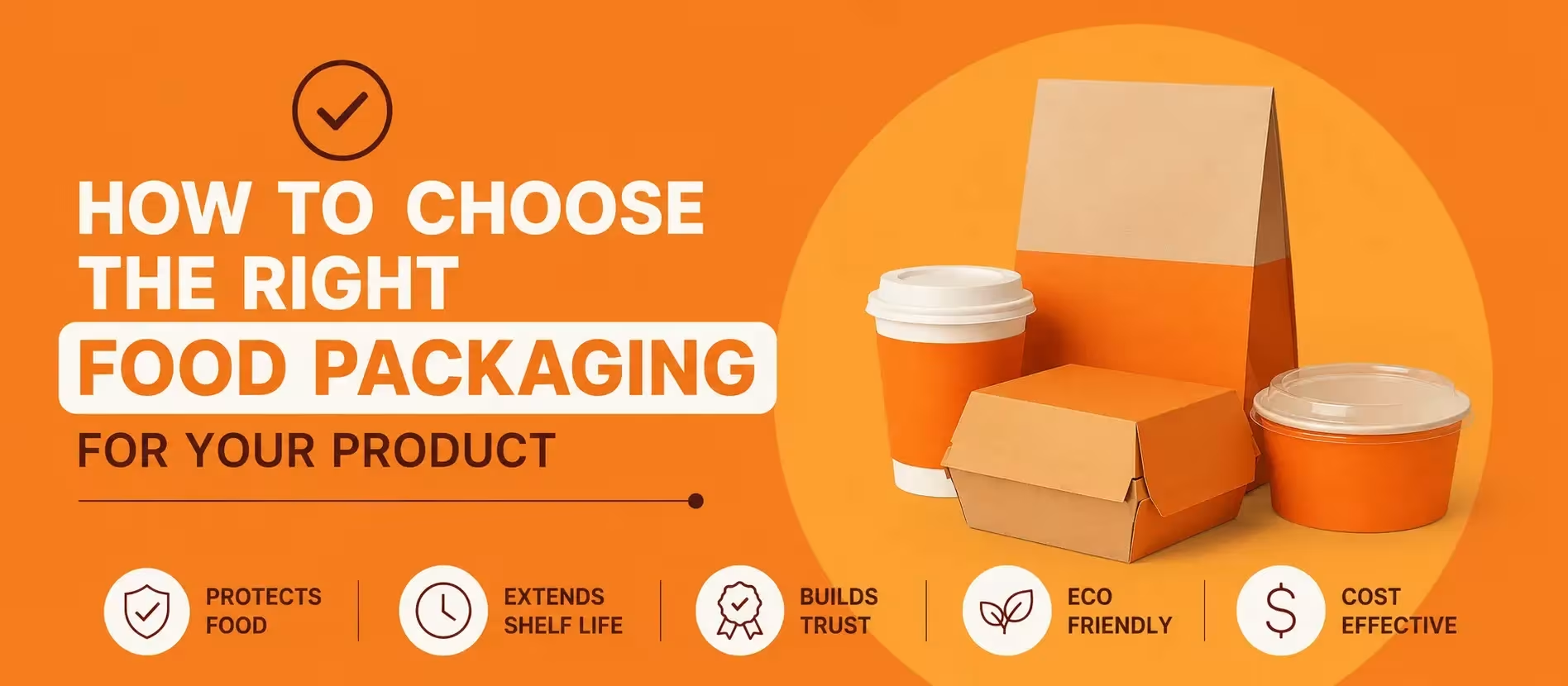
Packaging Is a Business Decision, Not Just a Container: Setting the Right Selection Criteria
When you think about how to choose the right food packaging for your product, you should not treat packaging as just something to hold food. It is a business decision that affects your cost, product quality, and customer trust. The right packaging keeps your food safe, looks attractive, and supports your brand. Before selecting anything, you need clear criteria. Think about what your product needs, how long it will stay fresh, and how customers will use it. This way, you avoid mistakes that can damage your product or your reputation.
Decoding Your Product’s “Packaging Requirements Profile” (PRP) Before Choosing Any Material
Every food product has different needs. A dry snack, a frozen item, or a liquid product cannot use the same type of packaging. You must understand your product first. This includes its shelf life, sensitivity to air, and reaction to temperature. This process is called packaging material selection, and it helps you match the right material with the right product. If you skip this step, you may choose packaging that looks good but fails in real use. A clear understanding of your product helps you make better and safer choices.
Barrier Properties Explained: How Oxygen, Moisture & Light Exposure Destroy Food Products
Food can spoil quickly if it is exposed to air, moisture, or light. Oxygen can make food stale, moisture can cause mold, and light can reduce quality. That is why packaging must protect against these elements. Good packaging durability for food ensures that your product stays fresh during storage and transport. For example, snacks need protection from air, while dairy products need strong moisture control. If you understand these factors, you can select packaging that keeps your food safe and maintains its taste and quality.
Choosing Packaging Based on Distribution Model: Retail, E-commerce, or Bulk Supply
Where and how you sell your product also affects packaging choice. Retail products need to look attractive on shelves, while e-commerce packaging must handle shipping pressure. Bulk supply packaging focuses more on quantity and protection than design. If your product is delivered to customers, it must survive handling and transport. For example, Custom Burger boxes used in delivery must be strong enough to maintain shape, prevent leaks, and keep the food fresh during transit. This is why choosing the right packaging depends on your distribution model. A smart decision here reduces damage, saves cost, and improves customer experience.
Key Considerations for Choosing Packaging Based on Distribution Model
-
Retail packaging focuses on shelf appeal and brand visibility
- E-commerce packaging prioritizes durability during shipping and handling
- Bulk supply packaging is designed for protection and cost efficiency
- Delivery-based products need strong structure and leak resistance
- Packaging must match transportation conditions to avoid product damage
- Customer experience depends on safe and intact product delivery
The Hidden Cost Factors in Food Packaging Most Businesses Ignore
Many businesses only look at the price of packaging, but real cost is much more than that. Poor packaging can lead to product damage, returns, and customer complaints. Storage and transportation costs also increase if packaging is not efficient. Eco-friendly food containers may seem expensive at first, but they can attract more customers and reduce long-term risk. Understanding these hidden costs helps you make a better financial decision and avoid losses.
How Packaging Directly Impacts Shelf Life, Product Integrity & Customer Trust
Packaging plays a direct role in how long your product stays fresh. If the packaging is weak, your product may spoil quickly. This affects not only quality but also customer trust. People expect safe and clean food, and they judge your brand based on packaging. Using proper food-safe packaging materials ensures that your product remains safe to consume. When customers trust your packaging, they are more likely to buy again. This is why packaging is not just about protection, but also about building confidence.
Structural Design Matters: Form, Shape & Functionality in High-Performance Packaging
The design of packaging is not only about looks. Shape and structure also affect how easy it is to use, store, and transport. Good design makes packaging strong and practical. It should be easy to open, close, and handle. It should also protect the product from damage. Consumer packaging preferences are changing, and people now look for convenience as well as quality. A well-designed package improves user experience and makes your product stand out in the market.
Regulatory-Ready Packaging: Avoiding Legal Risks and Compliance Failures
Food packaging must follow safety rules and regulations. If your packaging does not meet legal standards, you can face serious problems. These rules ensure that food remains safe for consumers. You must check that your packaging materials are approved and suitable for food use. This step is very important when deciding how to choose the right food packaging for your product because ignoring regulations can lead to product bans or fines. Safe and compliant packaging protects both your business and your customers.
If you are offering specialized solutions like custom food box packaging, Branded burger packaging, Sweet boxes Crepe cone wrappers, or Custom donut boxes, then your packaging choices must match both product needs and customer expectations. This helps you create a strong brand while keeping your food safe and appealing.
Conclusion
In the end, choosing food packaging is not just a design choice, it is a smart business decision that affects your product quality, customer satisfaction, and brand reputation. When you understand your product needs, distribution method, and protection requirements, it becomes much easier to decide what type of packaging will work best. Every detail matters, from material strength to safety, cost, and customer experience. Bakery boxes play a very important role here because they keep baked items fresh, protected, and visually appealing while also making them easier to transport and present.
For example, businesses that use crepe cone packaging for fast food or street-style desserts improve both presentation and convenience while keeping the product easy to handle. This shows how the right packaging choice can directly improve sales and customer trust.
So, whenever you think about packaging, focus on protection, practicality, and customer experience together. A well-chosen packaging solution not only protects your food but also helps your brand grow in a competitive market.