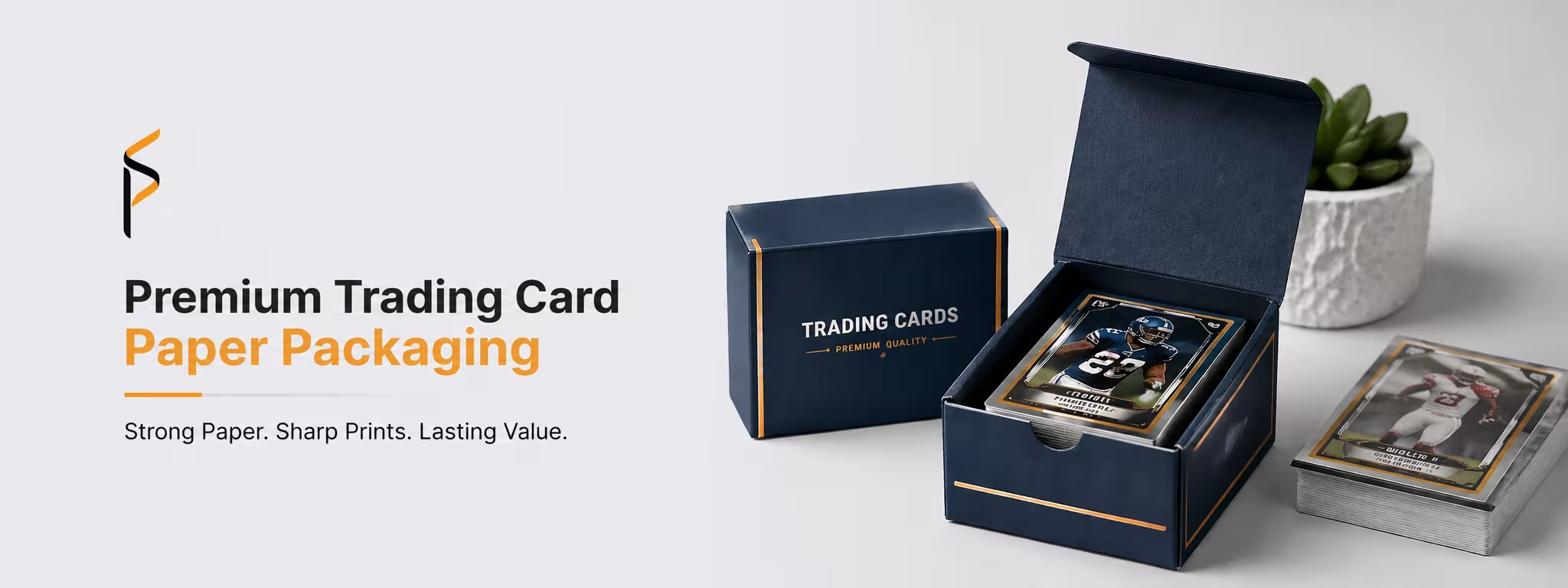
In the U.S. trading card packaging industry, durability is the foundation of product value. Whether cards are made for sports, gaming, or collectibles, the paper material determines how long they last and how professional they feel. Most manufacturers do not use regular paper. Instead, they rely on strong paperboards designed to handle pressure, frequent handling, and long-term storage. For trading card packaging boxes, the material selection is key to maintaining the integrity of the cards.
Typically, trading cards are produced using paperboard in the 250 GSM to 350 GSM range. This thickness gives the card enough rigidity to prevent bending while still keeping it easy to handle. In premium production, even thicker stock is used for added strength and a more luxurious feel.
The Impact of Paper Quality on Trading Card Performance and Collector Value in the U.S. Market
Paper quality directly affects how a trading card performs in real use. In the U.S. market, collectors expect cards to stay in perfect condition for years. If the material is weak, the card loses both physical strength and market value. This is why custom rigid boxes and quality paper selection are critical in the production process.
High-quality paper ensures sharp printing, stable edges, and resistance to wear. Even small flaws in paper quality can reduce collector interest. This is why professional production always prioritizes strong, consistent material before anything else. When combined with proper trading card paper packaging, the final product becomes far more reliable for long-term use.
Which Paperboard Type Is Best for Trading Cards in the U.S. Printing Industry?
The most trusted material in the U.S. printing industry is solid bleached sulfate (SBS) paperboard. It is known for its bright white surface and smooth texture, which allows for high-quality printing results. Paper trading card boxes often utilize this material for enhanced durability and presentation. SBS paperboard is also consistent, meaning every sheet performs the same during printing.
Why Most Low-Quality Trading Cards Fail in the U.S. Collectibles Market
- Low-quality trading cards fail because they cannot handle real-world use and frequent handling.
- Thin paper stock bends easily and loses its original shape very quickly.
- Poor material quality leads to fading, reducing overall visual appeal over time.
- In the U.S. collectibles market, damaged or weak cards are considered low value.
- Reliable Trading Card Paper Packaging is essential to protect cards from damage and maintain quality.
How Premium Paper Choice Improves Print Clarity, Color Accuracy, and Brand Value
- Premium paper significantly impacts the overall look and feel of a trading card
- High-quality paper allows ink to settle evenly on the surface
- Improves color brightness and enhances detail sharpness
- Creates a more professional and visually appealing product
- Reduces common printing issues like smudging
- Prevents uneven color distribution during printing
- Enhances the final product quality and presentation
- Reflects higher brand value in the market
- Helps build stronger customer trust
The Role of Paper Finish (Gloss, Matte, UV) in Creating Premium Trading Cards
Surface finish is just as important as paper selection. Gloss coating enhances color brightness and gives a shiny appearance that works well for sports and gaming cards. Matte finish reduces glare and creates a smooth, premium feel often used in collectible editions.
UV coating adds protection against scratches and fading while improving durability. These finishes not only improve appearance but also extend the life of the card, especially when combined with proper storage solutions like trading card packaging boxes and paper trading card boxes.
How U.S. Brands Choose Paper for High-Value Collectible and Gaming Card Production
In the U.S. market, paper selection is a detailed process. Brands test different thickness levels, coatings, and textures before final production. The goal is to match the paper type with the purpose of the card.
Gaming cards require durability for frequent handling, while collectible cards focus more on visual quality and long-term preservation. This balance ensures the final product meets customer expectations and performs well in real market conditions.
Why Paper Quality Alone Is Not Enough Without Proper Trading Card Paper Packaging
Even the best paper cannot protect a trading card on its own. Without proper packaging, cards are exposed to bending, moisture, and surface damage. This is where trading card paper packaging becomes essential for product safety.
Strong packaging systems such as trading card storage packaging, cardboard trading card packaging, and collectible card packaging help maintain card quality during storage and handling. These solutions ensure that the product remains in perfect condition from production to customer delivery.
In many cases, brands also rely on custom trading card packaging to improve both protection and branding. Packaging is not just a protective layer—it is part of the customer experience.
How to Build Premium Trading Cards That Meet Collector Expectations in 2026
In 2026, U.S. collectors expect trading cards to deliver both durability and premium presentation. To meet these expectations, brands must combine strong paper selection, professional finishing, and reliable packaging. Premium packaging, such as trading card display packaging or trading card shipping boxes, ensures that cards remain safe during retail display, storage, and transportation.
High-quality paper ensures strength, while coatings improve visual appeal. However, protection is only complete when paired with proper packaging solutions such as trading card display packaging and trading card shipping boxes. These ensure that cards remain safe during retail display, storage, and transportation.
A successful product is not just about printing—it is about creating a full system that includes material, design, and protection. A professional Printing Company understands this balance and ensures every step supports long-term quality.
When all these elements work together, the result is a trading card that not only looks premium but also survives real-world use, meets collector expectations, and builds lasting value in the market.
How to Choose the Right Paper for Your Trading Card Project
If you are planning to produce trading cards in the U.S. market, choosing the right paper should be based on your product goal rather than guesswork.
If your focus is gaming cards, always choose a thicker and more flexible paperboard that can handle frequent use. For collectible cards, premium finish and visual quality should be your top priority. Testing samples before final production is always recommended because it helps you avoid expensive mistakes.
You should also make sure that your paper choice is compatible with your printing method and finishing options. This ensures smooth production and consistent quality across all cards.
Final Thoughts
Choosing the right paper for trading cards is not just about thickness or appearance—it is about creating a product that performs well in real-world conditions. In the U.S. market, customers expect durability, visual quality, and proper protection.
When paper quality, finishing, and packaging work together, the result is a product that stands out, builds trust, and holds long-term value. Businesses that focus on these details are the ones that succeed in the competitive trading card industry.