|
|
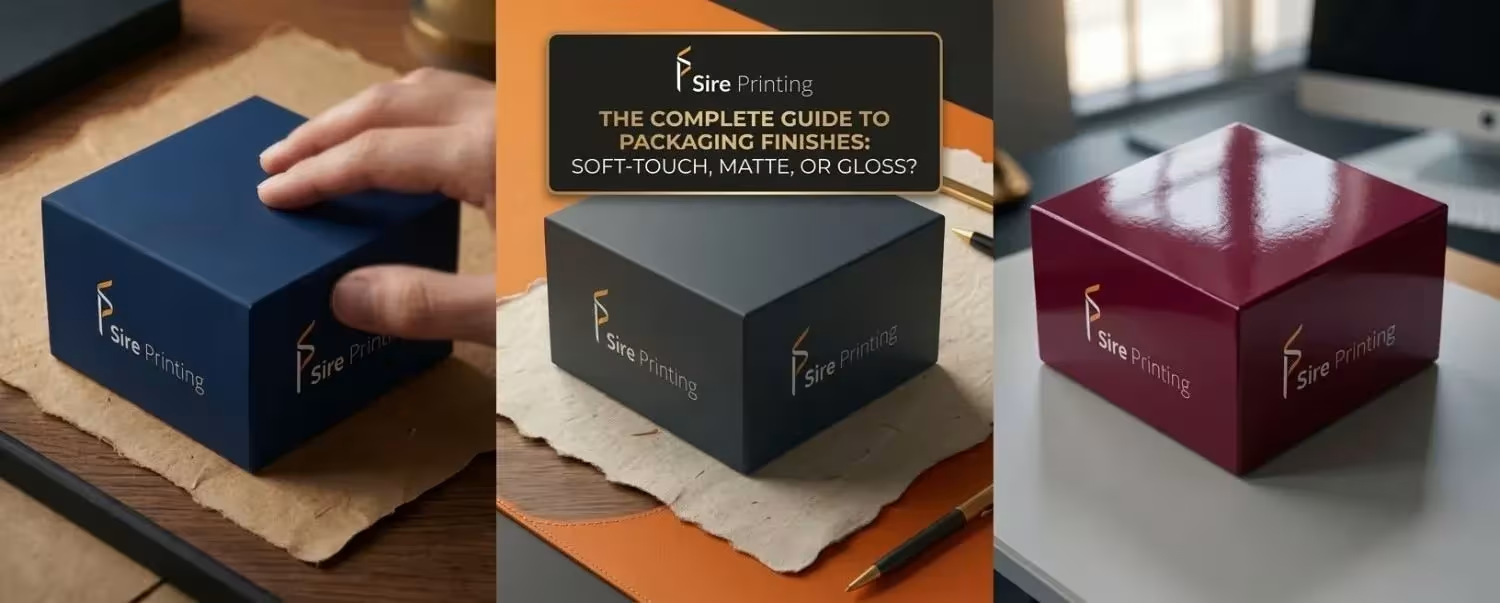
Before a customer reads a single word on your packaging, their hand has already made a judgment. That's not a marketing theory — it's how touch perception works. A box that feels cheap undercuts a premium product before the lid is even open, and a box that feels expensive can make a modest product feel worth the price. The finish you choose — soft-touch coating, matte, or gloss — is doing that work silently, every single time someone picks up your packaging.
Short answer: soft-touch coating gives packaging a velvety, suede-like feel that signals luxury and invites touch, but shows fingerprints more readily. Matte offers a smooth, low-shine look that feels modern and subtle. Gloss reflects light, makes colors pop, and resists smudging best on a retail shelf. The right choice depends on your product category, your budget, and how customers actually interact with the box.
Coating vs. Lamination: The Distinction Most Guides Skip
Here's something almost nobody explains clearly: soft-touch coating and soft-touch lamination are not the same process, even though they're often described interchangeably.

Coating is a liquid finish applied directly to the printed surface and cured in place. Lamination is a thin film — often a BOPP film — bonded to the box using heat and pressure. Both can produce that velvety hand-feel, but they age differently.
Soft-touch coating tends to be slightly more prone to yellowing over time than soft-touch lamination film, particularly under UV light exposure. If your packaging sits on a sunlit shelf for months, that difference matters more than most brands realize before they've already printed a full run.
This distinction is also where a lot of the confusion around "which soft-touch option is better" actually comes from. Neither is universally superior — the right pick depends on your product's shelf life and lighting conditions, not just your budget.
Three Finishes, Three Personalities
Each finish doesn't just look different — it changes how customers relate to your box.
Gloss: Built to Catch the Eye
Gloss lamination creates a shiny, reflective surface that makes printed colors look richer and more saturated. It's the finish that wins on a crowded shelf, where a product needs to catch light and attention from a distance. It's also more resistant to scuffs and dirt, which matters for anything handled frequently before purchase.
Matte: Quiet Confidence
A matte finish trades shine for sophistication. It reads as calm, modern, and premium in an understated way — the packaging equivalent of a brand that doesn't need to shout. The tradeoff is practical: matte surfaces show fingerprints and light scratches more visibly than gloss.
Soft-Touch Coating: The One Customers Remember
This is where tactile packaging experience becomes the whole point. Soft-touch coating creates a micro-textured surface with a genuine velvet texture — customers often comment on it before they say anything about the product itself. It's the finish most associated with a true premium unboxing experience, which is why skincare and spirits brands lean on it so heavily.
How Color Actually Behaves Under Each Finish
This is the part most competitor guides leave out entirely, and it's where brands get burned after a print run is already done.

Soft-touch coating absorbs more light than gloss, which means colors appear slightly deeper and more muted. Dark, rich tones — navy, forest green, burgundy, black — tend to look exceptionally good under soft-touch, almost luminous in their depth. Very pale colors, on the other hand, can shift in ways that are hard to predict from a screen. A pale pink or off-white that looks crisp in your design file may read slightly different once the soft-touch coating is applied.
The practical takeaway: never approve a soft-touch design based on a digital proof alone. A physical sample under the actual finish is the only reliable way to confirm your color palette will translate the way you expect. This single step prevents more reprints than any other quality check in the process.
Durability & Everyday Wear, Side by Side
Different products get handled differently — a food box gets touched with slightly damp hands, a cosmetics box gets tucked into a bag, an electronics box sits in a warehouse for weeks. Here's how each finish holds up:
|
|
|
|
|
|
|
|
|
|
|
|
|
|
|
|
|
|
|
|
|
|
|
|
No single finish wins across every column — which is exactly why the decision should follow your product's real-world handling, not just aesthetic preference.
Which Finish Fits Your Brand
Think of these as starting points, not rules. The right packaging finish should match how your customer already thinks about your product.
Skincare & Wellness
Soft-touch coating is the near-default here. Customers already associate velvety texture with quality ingredients — the box reinforces a promise the product is meant to keep.
Food & Bakery
Gloss or matte, depending on positioning. Gloss suits vibrant, indulgent branding; matte suits artisanal, minimalist bakeries that want to look handcrafted rather than mass-produced.
CBD & Wellness Edibles
Matte with spot gloss accents tends to perform well — it signals trust and calm without looking clinical.
Electronics & Tech
Matte or soft-touch, almost always. This category has trained customers to expect a certain restraint, and gloss can read as dated or overly flashy.
Apparel & Lifestyle
Highly brand-dependent — streetwear often leans gloss for boldness, while elevated basics brands lean soft-touch for a quieter luxury statement.
Curious how this looks on your own packaging? Our Custom Product Boxes can be sampled in any of these finishes before you commit to a full order.
Mixing Finishes: Spot Gloss, Spot UV, and Combination Looks
You don't have to choose only one finish for the entire box. Spot UV — a small, targeted gloss coating applied over specific design elements — is one of the most effective ways to combine visual impact with tactile subtlety.
A matte or soft-touch base with a glossy logo or accent creates genuine contrast: the eye is drawn to the shine, while the hand still gets that premium, velvety first impression everywhere else.
This combination is common in premium skincare and spirits packaging for a reason — it delivers both brand perception through packaging and standout shelf presence, without forcing a single finish to do all the work.
Budget & Turnaround: What Each Finish Actually Costs You
Cost differences between finishes are real, but they're relative rather than dramatic, and they shift depending on order volume.

- Gloss lamination is typically the most cost-effective baseline finish, with the fastest turnaround for standard runs.
- Matte lamination sits slightly above gloss in cost, with comparable production timelines.
- Soft-touch coating carries a modest premium over standard matte — usually a smaller jump than brands expect but may add a few days to turnaround depending on order size.
If you're weighing this decision for a new product line, requesting physical samples before finalizing your Custom Packaging Boxes order is the single best way to avoid a costly reprint. Minimum order quantities and lead times vary by finish, so it's worth confirming both before your launch date is locked in.
Quick Decision Guide
- Choose gloss if your product needs to win attention on a crowded shelf and gets handled frequently before purchase.
- Choose matte if your brand identity leans minimalist, modern, or understated, and shelf glare isn't a concern.
- Choose soft-touch coating if the unboxing moment itself is part of your brand story, and you're selling a premium or gifting experience where touch matters as much as sight.
Frequently Asked Questions
Does soft-touch coating scratch easily?
It's more scratch-sensitive than gloss, though light everyday handling rarely causes visible damage. For packaging that will be shipped or handled roughly, adding a protective outer sleeve is a common workaround.
Can matte and gloss be combined on one box?
Combining a matte base with spot gloss accents is one of the most popular finishing techniques in custom packaging, and it tends to outperform a single flat finish for shelf appeal.
Is soft-touch coating more expensive than matte?
There's a modest cost increase over standard matte lamination, though it's usually smaller than brands anticipate, especially at higher order volumes.
How long does a soft-touch finish last before it shows wear?
With normal handling, soft-touch coating holds its texture and appearance well for the typical retail shelf life of most products, though direct sunlight exposure over many months can accelerate yellowing.
Which finish works best for small brands on a tighter budget?
Matte lamination tends to offer the strongest balance of premium appearance and cost efficiency for brands just getting started, with room to upgrade to soft-touch as volume grows.
Final Thoughts
The finish on your Custom Food Boxes or any other packaging isn't a final-step decision — it's a brand decision that deserves the same attention as your logo or color palette. Gloss, matte, and soft-touch coating each tell a different story about your product before a customer reads a single word. Choosing well means matching that story to how your product is actually made, sold, and used.
Ready to see these finishes on your own packaging? Request free samples or reach our team directly