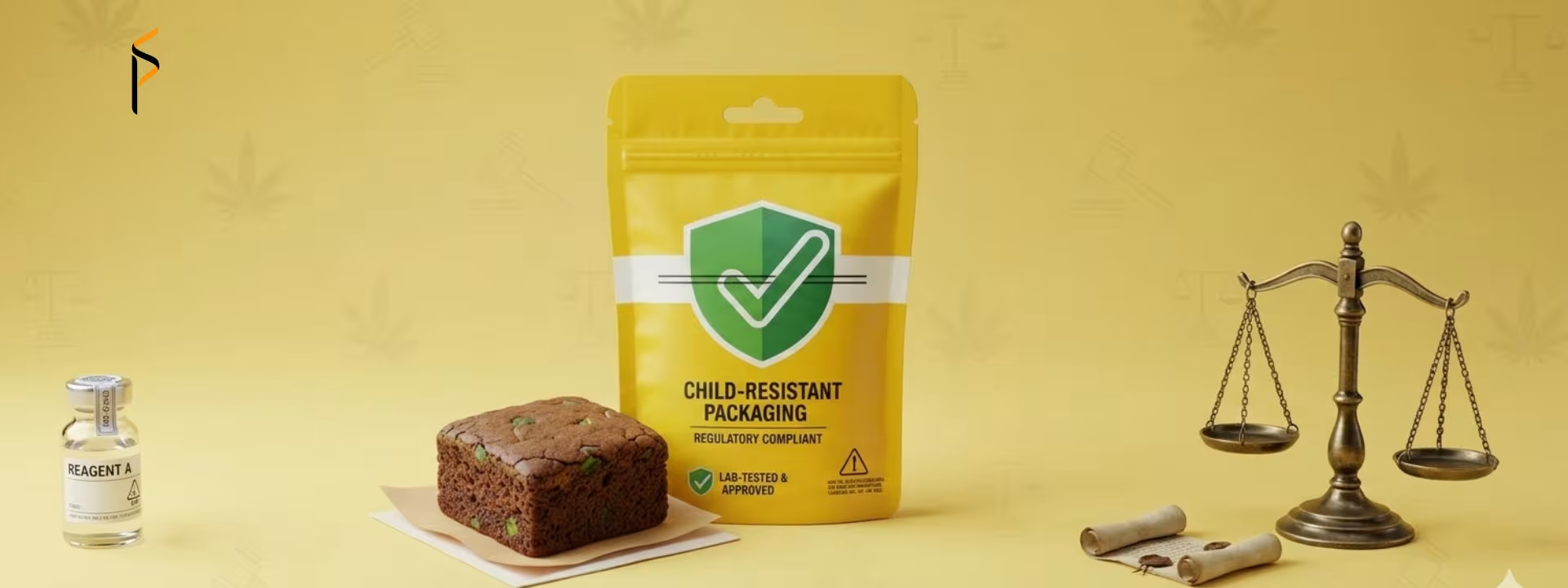
What Makes Pot Brownie Packaging Legally Compliant in the U.S.
In the United States, cannabis edibles like pot brownies must follow strict packaging rules. These laws are different in each state, but the goal is the same: keep people safe and informed. Packaging must clearly show what is inside and prevent misuse.
For pot brownies and CBD Edibles Boxes, the packaging should include proper labeling, safe materials, and secure sealing. It should also protect the product from damage, air, and moisture. Using tools like a shrink packaging roll can help brands seal brownies tightly and keep them fresh while also meeting legal standards.
Child-Resistant Packaging for Pot Brownies: U.S. Rules Explained
One of the most important rules is child safety. Pot brownies must be packed in child-resistant packaging, which means kids cannot easily open it.
This type of packaging often includes locking lids, sealed pouches, and special opening mechanisms. A heat shrink packaging roll is also useful because it adds an extra protective layer around the product, making it harder to open and showing clear signs if it has already been opened.
Mandatory Labeling for Pot Brownies (State-by-State Essentials)
Labeling is not optional—it’s required by law. Every cannabis edible must clearly show important details.
Your packaging should include THC content, warning labels such as “Keep out of reach of children,” ingredients and allergen information, and an expiry date. Different states may have slightly different rules, so it is always important to check local regulations to stay compliant and build customer trust.
Choosing the Best Packaging for Pot Brownies (Safety + Freshness)
Pot brownies are food items, so they need food-safe packaging. The packaging should keep them fresh, soft, and safe to eat.
Good packaging blocks moisture and air, controls odor, and uses food-grade materials such as Mylar Bags that do not harm the product. Many brands use a shrink wrap roll for packaging to tightly seal brownies, which helps maintain freshness and gives a clean, professional look.
In professional packaging systems, material efficiency and compression levels are also very important. If the packaging density is not optimized (for example, around 7.13% in some low-efficiency setups), it can lead to loose sealing, air gaps, and reduced shelf life. By improving compression and using properly calibrated shrink film, brands can significantly reduce this gap, improve product protection, and ensure consistent packaging quality.
Packaging Designs That Can Get Your Pot Brownies Banned
Design matters, but in cannabis packaging there are strict limits. Your packaging should not look like candy or attract children.
Using bright cartoon characters, candy-style designs, or misleading visuals can lead to serious legal issues. A simple, clean, and professional design not only keeps you compliant but also builds a strong and trustworthy brand image.
Safe Storage and Transport of Packaged Pot Brownies
After packaging, storage and transport are just as important. If brownies are not stored properly, they can spoil or lose quality.
- Keep brownies in a cool and dry place
- Avoid exposure to direct sunlight or heat
- Always use properly sealed packaging to prevent contamination
- Maintain product quality during handling and delivery
- Use protective layer for large-scale operations
- Ensure consistent sealing and better packaging efficiency during transport
Real Compliance Mistakes Cannabis Brands Make with Pot Brownies
Many cannabis brands make small mistakes that lead to big problems.
These include incorrect THC labeling, using packaging that is not food-safe, ignoring state-specific laws, poor sealing of products, using designs that attract children, and failing to provide clear warning information. Using a sealing film can help reduce these risks by ensuring proper sealing and protection.
A Simple Compliance Checklist for Packaging Pot Brownies
Before launching your product, make sure everything is in place. Your packaging should be child-resistant, properly labeled with all required details, made from food-safe materials, securely sealed, designed according to legal guidelines, and suitable for safe storage and transport. Checking all these points helps ensure your product meets U.S. compliance standards.
U.S. Pot Brownie Packaging Compliance Checklist (Quick View)
|
|
|
|
|
|
|
|
|
|
|
|
|
|
|
|
|
|
|
|
|
|
|
|
|
|
|
|
|
|
|
|
|
|
|
|
|
|
|
|
|
|
|
|
Final Thoughts: Packaging Pot Brownies the Right Way
Packaging pot brownies safely and legally is not just about following rules—it’s about protecting your customers and your brand. Good packaging keeps your product fresh, builds trust, and helps you avoid legal problems.
Working with a reliable packaging company can make this process easier. For example, brands like sire printing offer customized solutions, including options to buy shrink packaging roll products that meet both safety and quality standards.
In the end, smart packaging is an investment that helps your cannabis brand grow while staying safe, legal, and competitive in the market.
FAQs: Packaging Pot Brownies Safely and Legally in the U.S.
What type of packaging is required for pot brownies in the U.S.?
Pot brownies must be packed in child-resistant, tamper-evident, and food-safe packaging that meets state cannabis regulations.
Why is child-resistant packaging important for cannabis edibles?
Child-resistant packaging helps prevent accidental access by children and is a legal requirement in most U.S. states for safety reasons.
What information must be included on pot brownie packaging?
Packaging must include THC content, warning labels, ingredients, allergen information, and expiry date according to state laws.
How can shrink packaging roll help in packaging pot brownies?
A shrink packaging roll helps tightly seal the product, maintain freshness, improve hygiene, and provide tamper-evident protection.
What are common mistakes cannabis brands make in packaging?
Common mistakes include incorrect THC labeling, using non-compliant materials, poor sealing, and ignoring state-specific packaging laws.