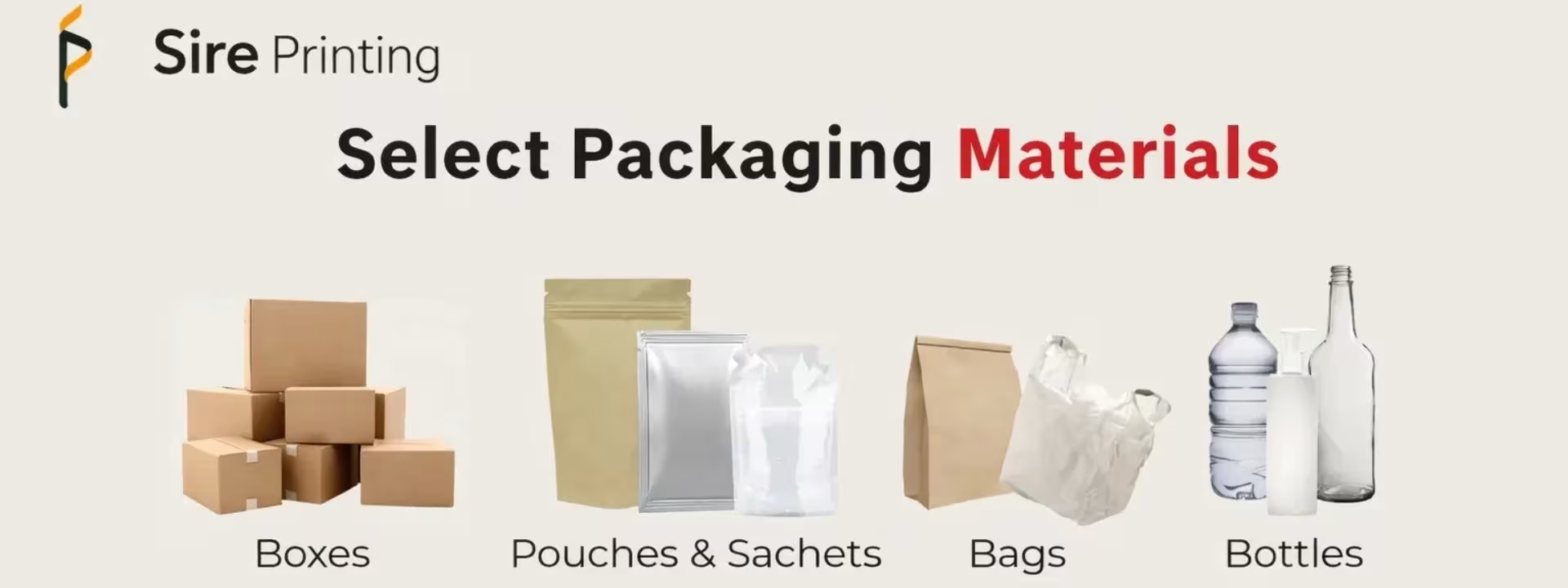
Expert Guide by a Professional Printing & Packaging Company
Packaging is more than just a container; it is the first impression of your product and your brand. The right packaging material not only protects your product but also enhances the customer experience and communicates your brand story. Poor packaging can lead to damaged products, unhappy customers, and a negative perception of your brand. This is why choosing the correct packaging material is a critical business decision that directly impacts both sales and reputation.
At our packaging printing company, we have worked with businesses across industries, from food and cosmetics to pharmaceuticals and e-commerce, helping them choose packaging materials that combine durability, cost-efficiency, and high-quality printing. In this guide, Sire Printing will take you through a step-by-step approach to selecting packaging that safeguards your products, attracts customers, and aligns with your brand values.
Understanding Your Product: The Foundation of Packaging
Before selecting a packaging material, it is essential to understand the nature of your product. Every product has unique characteristics that influence packaging choices. For instance, the weight of a product determines the strength of material needed to prevent crushing during shipping and storage. Fragile items such as glass bottles or delicate cosmetics require protective inserts or rigid packaging to avoid breakage. Similarly, the shelf life of a product can dictate whether moisture-resistant or airtight materials are necessary to maintain freshness. Additionally, storage and shipping conditions—like long-distance transport, heat exposure, or humidity—must be factored into the packaging decision to ensure durability and protection.
Consider the example of a small perfume brand that initially packaged its fragile glass bottles in simple folding cartons. During transit, nearly 20% of the bottles broke, resulting in high return rates and customer dissatisfaction. After switching to rigid boxes with custom foam inserts, the breakage rate dropped below 2%, dramatically improving customer experience and reducing losses. This illustrates how understanding the product and its handling conditions is the first step toward choosing effective packaging.
How Packaging Material Impacts Printing Quality
Packaging and printing go hand-in-hand. Even the most premium product will fail to impress if the printing is dull, smudged, or misaligned. Different packaging materials require different printing techniques to achieve optimal results. Rigid paperboard, for example, is perfect for offset printing and allows for vibrant colors and intricate designs, making it ideal for luxury products. Plastic bottles often require flexographic or screen printing, while glass containers are best printed using UV inks or high-quality labels.
Ensuring that your printing method matches your packaging material is crucial. Companies that handle both printing and packaging in-house can maintain color consistency, reduce material waste, and achieve precise alignment of graphics. This integrated approach enhances the product’s visual appeal and ensures that the packaging reflects the quality of your brand.
Choosing the Right Packaging Material
When selecting a material, it is important to evaluate its properties, durability, cost, and printing compatibility.
Here’s a detailed look at popular packaging materials, their ideal uses, printing options, and the pros and cons of each:
|
Material |
Ideal Products |
Printing Options |
Pros |
Cons |
|
Paper/Cardboard |
Retail boxes, food, cosmetics |
Digital, Offset, CMYK/Pantone |
Recyclable, cost-effective, excellent printing |
Low moisture resistance |
|
Plastic (PET, HDPE, LDPE) |
Liquids, food, pharma |
Screen, Flexographic, Labels |
Durable, moisture-proof, lightweight |
Environmental concerns, limited premium look |
|
Glass |
Perfumes, beverages, luxury cosmetics |
UV printing, Labels |
Premium feel, chemical-free |
Heavy, breakable, shipping cost high |
|
Metal (Tin, Aluminum) |
Food tins, gift packaging, cosmetics |
Lithography, Embossing/Debossing |
Durable, luxurious, long shelf life |
Higher cost, limited customization |
Paper and cardboard are ideal for retail boxes, food items, and cosmetics. They are lightweight, recyclable, and support a variety of printing techniques, including digital and offset printing. However, these materials can be susceptible to moisture, which can be mitigated through coatings or lamination.
Plastic, including PET, HDPE, and LDPE, is commonly used for liquids, food products, and certain pharmaceuticals. Plastic is durable and moisture-resistant, but printing on plastic often requires specialized techniques, and high-resolution branding may necessitate labels.
Glass is associated with luxury and premium products, such as perfumes and high-end beverages. Its chemical inertness makes it ideal for these products, but printing is usually done through UV inks or high-quality labels. Glass is heavy and breakable, which can increase shipping costs.
Metal, including tin and aluminum, is often used for food tins, cosmetic containers, or gift packaging. It is durable, allows embossing and debossing, and supports lithographic printing. However, it is generally more expensive and may have fewer customization options compared to other materials.
Choosing the right material ensures that your product is protected, visually appealing, and compatible with your desired printing techniques, while balancing cost and sustainability.
Balancing Cost and Quality
While cost is an important factor, focusing solely on the cheapest option can lead to long-term losses due to product damage and returns. A balanced approach considers both primary packaging, which is in direct contact with the product, and secondary packaging, such as shipping boxes or retail cartons.
Here’s a simple comparison of material costs, printing costs, shipping protection, and overall value:
|
Material |
Printing Cost |
Material Cost |
Shipping Protection |
Overall Value |
|
Paper/Cardboard |
Medium |
Low |
Medium |
High |
|
Plastic |
Low |
Medium |
Medium |
Medium |
|
Glass |
High |
High |
High |
Medium |
|
Metal |
Medium |
High |
High |
High |
For example, a food startup initially used low-quality corrugated boxes for shipping, which led to frequent damage and customer complaints. After switching to coated cardboard with printed branding, the upfront cost increased slightly, but damage and return rates dropped significantly. This demonstrates that investing in quality packaging often reduces long-term expenses and enhances brand reputation. Evaluating packaging choices in terms of long-term value rather than upfront cost is essential for business growth.
A Step-by-Step Approach to Choosing Packaging
Choosing the right packaging can be simplified into a clear decision-making process. First, identify the type of product you are packaging—whether it is fragile, heavy, liquid, food, cosmetic, pharmaceutical, or e-commerce. Next, assess the storage and shipping requirements, including environmental factors and handling conditions. Once these factors are clear, select a material that balances durability, print quality, and sustainability.
After selecting the material, choose the printing method that works best for the chosen material, whether offset, digital, flexographic, screen, or UV printing. Then, evaluate the overall cost, factoring in not just material and printing costs but also potential losses due to damage. Finally, produce sample packaging, test it for durability and print quality, and ensure that it aligns with your brand identity. This structured approach guarantees that the final packaging is both functional and visually appealing.
Industry-Specific Recommendations
Different industries have unique packaging needs.
For food products, packaging must be safe, moisture-resistant, and compliant with regulations. Vibrant, durable printing helps products stand out on the shelf, while ensuring freshness and safety. For instance, chocolate bars wrapped in coated, printed paper maintain both freshness and brand visibility.
In the cosmetics industry, packaging often represents luxury and prestige. Rigid boxes with foiling, embossing, and lamination enhance perceived value, while high-quality printing ensures elegance and consistency. A skincare brand that used gold-foiled rigid boxes experienced a 30% increase in perceived product value, demonstrating the impact of premium packaging.
For pharmaceuticals, safety and regulatory compliance are paramount. Child-resistant bottles, clear labeling, and tamper-evident features are essential. Printing must be legible and follow regulatory standards.
E-commerce packaging must withstand shipping stresses and provide a positive unboxing experience. Corrugated boxes with protective inserts reduce product damage and increase customer satisfaction. For example, an online electronics retailer reduced returns by 15% after switching to custom-printed, reinforced corrugated boxes.
Sustainability in Packaging
Eco-friendly packaging is increasingly important to consumers. Materials such as recyclable cardboard, biodegradable plastics, and plant-based inks can reduce environmental impact without increasing costs. Minimalistic design and sustainable printing techniques further enhance the brand’s environmental responsibility. Sustainable packaging not only reduces waste but also builds customer loyalty and aligns with modern market expectations.
Avoiding Common Packaging Mistakes
Businesses often make mistakes when choosing packaging, which can compromise both product safety and brand image. Common errors include selecting materials solely based on price, ignoring printing compatibility, overpacking or underpacking, skipping shipping tests, and neglecting sustainability considerations. Testing samples before production is crucial to avoid these pitfalls and ensure packaging meets both functional and aesthetic goals.
Frequently Asked Questions
What packaging is best for fragile products?
Rigid boxes with foam or molded inserts are ideal. Fragile glass products often benefit from double-layered protection.
How does printing affect packaging quality?
Poor printing on unsuitable materials can reduce perceived product value. Matching the printing method to the material is crucial for professional presentation.
Which materials are eco-friendly and cost-effective?
Recyclable cardboard and paper are affordable and sustainable options suitable for most products.
Can packaging reduce shipping damage?
Yes. Using corrugated boxes, inserts, and cushioning materials significantly reduces product damage during transit.
How do I balance cost, quality, and sustainability?
Consider the long-term value, including reduced returns, customer satisfaction, and brand perception, rather than focusing only on upfront costs.
Conclusion
Selecting the right packaging material and printing method is a strategic decision that protects your product, enhances brand perception, and improves customer experience. Packaging serves multiple purposes: protection, marketing, and brand-building.
Working with a professional printing and packaging company ensures your packaging is durable, visually appealing, cost-effective, sustainable, and tailored to your industry requirements. By carefully analyzing your product, choosing the right material and printing method, and testing the results, your product can achieve both functional excellence and market appeal.