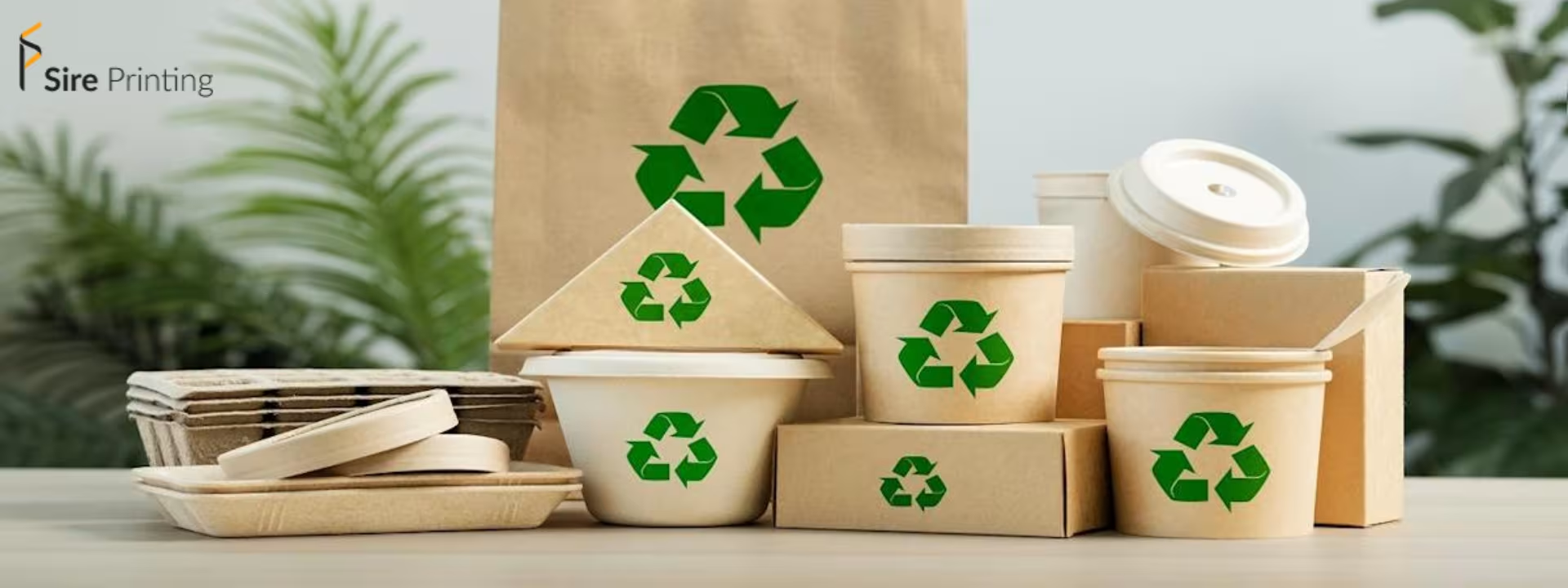
Ever picked up a bar of soap and paused to think about its packaging? You’re not alone. In today’s environmentally aware market, choosing packaging that’s both sustainable and practical can feel like a tough decision—especially when deciding between Kraft and other materials.
This guide is here to clear up the confusion. Whether you’re a conscious shopper in the U.S. or a small soap brand trying to offer eco-friendly packaging, we’ll explore how kraft soap boxes stack up against plastic, cardboard, and alternative options. By the end, you’ll have a clear understanding of durability, cost, sustainability, and branding benefits, helping you make choices that align with your values.
Understanding the Role of Packaging in Sustainability
Take a stroll through any store, and you’ll notice something striking: the packaging often tells a story as much as the product inside. Even soaps made with natural ingredients can be overshadowed by packaging that’s wasteful or hard to recycle.
The Environmental Protection Agency notes that packaging contributes significantly to U.S. municipal solid waste. That means the box your soap comes in carries environmental weight just as much as its ingredients.
Kraft packaging for soap is made from processed wood pulp, giving it strength and recyclability. Other materials like plastic wraps or laminated cartons often lag behind when it comes to recyclability, sometimes ending up in landfills.
Consumers are noticing. Eco-conscious buyers actively seek out products with sustainable packaging. Brands using recyclable, paper-based boxes not only reduce environmental impact but also signal responsibility. It’s a factor that’s influencing buying decisions more than ever in the U.S. market.
What Makes Kraft Packaging a Smart Choice
So, what sets Kraft apart? The Kraft process uses fewer bleaching chemicals than standard paperboard, resulting in strong, brown, natural-looking boxes. This durability makes kraft soap boxes ideal for soaps that need protection while remaining eco-friendly.
Most Kraft boxes are made from recycled content and can be fully recycled in curbside programs. Many suppliers follow Forest Stewardship Council guidelines, ensuring materials come from responsibly managed forests.
Kraft packaging is also practical. Its design allows soaps to breathe, which is important for handmade bars. Despite being sturdy enough to protect products, it’s lightweight, reducing shipping emissions.
From a branding perspective, Kraft boxes convey a natural, simple aesthetic. Custom designs, subtle prints, or die-cut windows can make packaging look elegant without relying on glossy, environmentally harmful coatings. This appeals to eco-conscious shoppers and reinforces a brand’s sustainability values.
For small businesses sourcing in bulk, working with a reliable supplier like soap boxes wholesale ensures both cost efficiency and consistent quality.
Comparing Kraft to Plastic and Laminated Options
Plastic is lightweight, cheap, and moisture-resistant, which is why it’s long been a favorite for soap packaging. But environmentally, it falls short. Many plastics are recyclable in theory but often end up in landfills or oceans due to limited collection options.
Laminated or coated paperboard can give a premium look but often compromises recyclability. When paper is layered with plastic or coated with chemicals, recycling becomes difficult, reducing its eco-friendliness.
Kraft, on the other hand, is usually uncoated and printed with water-based inks, making it far easier to recycle. Some brands enhance moisture protection with biodegradable inner wraps, keeping outer packaging fully recyclable.
From a brand standpoint, Kraft communicates authenticity. While plastic can feel artificial or generic, natural paper reinforces sustainability, which resonates with today’s eco-conscious customers.
Cost, Customization, and Shelf Appeal
There’s a misconception that eco-friendly packaging is expensive. While it can vary, ordering Kraft boxes in bulk often remains cost-effective. Kraft requires less processing than bleached or coated boards, and wholesale sourcing keeps prices competitive.
Customization is easy. Boxes can be printed with soy-based inks, embossed, or designed as display-friendly packaging. This makes them suitable for both small handmade brands and larger operations.
Display boxes made from Kraft also look great on shelves. Their earthy tone stands out among glossy packaging, creating a clean, natural aesthetic that appeals to customers. Even premium brands are now embracing minimalism and sustainability over flashy coatings and shiny finishes.
Working with a trusted supplier like soap boxes wholesale allows you to compare samples and choose the right balance of strength, print quality, and eco-friendliness.
Environmental Impact Across the Lifecycle
When evaluating packaging, it’s important to look beyond recyclability. Sustainability considers the full lifecycle: production, transportation, usage, and disposal.
Kraft boxes made from recycled fibers often have a smaller carbon footprint than plastics. Their light weight helps reduce shipping emissions, and efficient design minimizes excess material.
Consumer behavior also matters. Even recyclable materials won’t help if they end up in the trash. Fortunately, paper-based packaging generally has higher recycling rates in the U.S. than flexible plastic films.
For most soaps, simple recyclable cartons provide enough protection while keeping sustainability at the forefront.
Key Takeaways
Kraft soap boxes excel for their recyclability, durability, and natural appeal. While plastics or coated boards may offer moisture resistance or glossy finishes, they usually fall short environmentally. For U.S. consumers seeking eco-conscious options, Kraft strikes a strong balance between function, aesthetics, and sustainability.
When choosing packaging, consider your brand goals, product needs, and environmental impact. Small decisions, like selecting recyclable materials or optimizing box size, can make a lasting difference.
Which factor matters most to you when buying or designing soap packaging: environmental impact, protection, or visual appeal? Thoughtful packaging today builds trust and loyalty tomorrow.