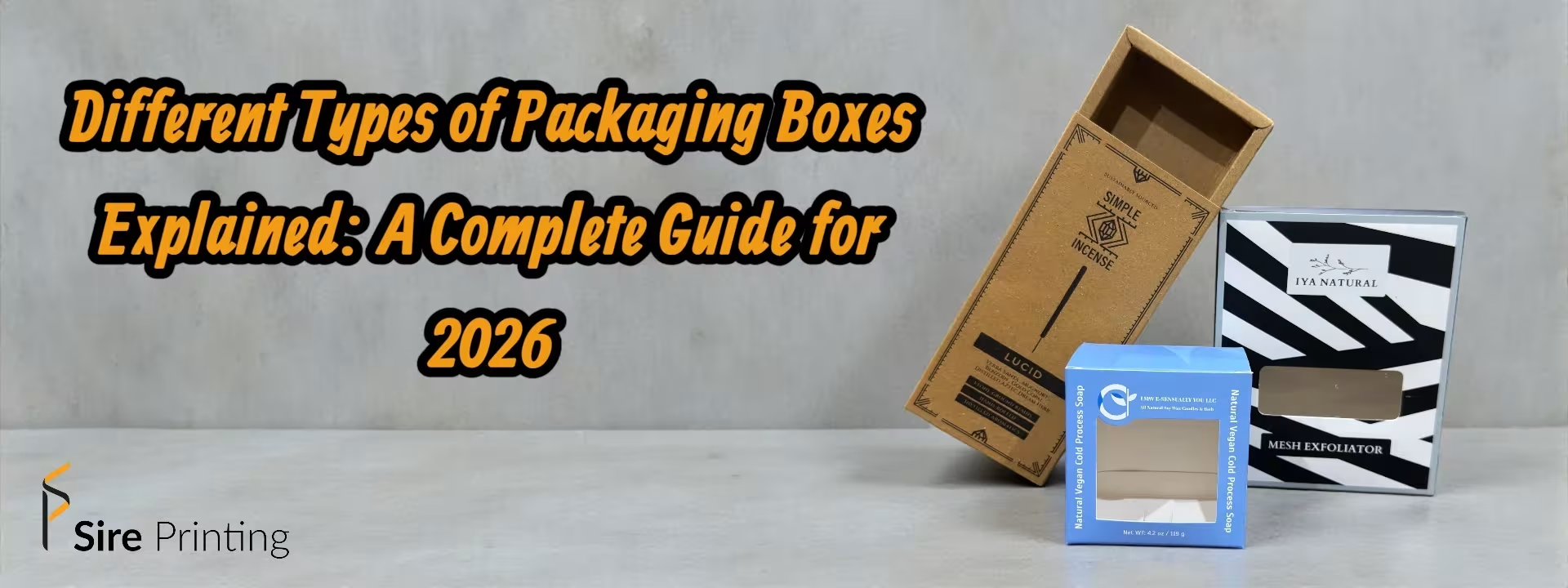
Packaging is no longer just about protecting a product. In 2026, it has become a strategic tool for branding, sustainability, and customer experience. With the rise of ecommerce, social media unboxing trends, and eco-conscious consumer behavior in the US, choosing the right packaging box can make a significant difference in sales, brand perception, and logistics efficiency.
This guide explores the types of packaging boxes, their uses, trends, and how businesses can select the best option for their product line. By the end, you will have actionable insights to make packaging a competitive advantage for your brand.
How Understanding Packaging Box Types Can Boost Your Brand in 2026
Many businesses still choose packaging based on looks or cost alone. However, modern consumers and retailers expect packaging to be functional, sustainable, and visually appealing. In 2026, trends show that 78% of US consumers are more likely to buy a product with eco-friendly or aesthetically pleasing packaging, and 65% expect packaging to reflect the brand story.
Understanding types of packaging boxes helps businesses:
-
Protect products during shipping and storage
-
Reduce costs associated with returns and damages
-
Enhance brand identity and unboxing experiences
-
Comply with regulations for labeling and sustainability
From our experience in the packaging industry, brands that strategically select their box types reduce shipping losses by up to 30% and increase repeat purchases by 18% in ecommerce settings.
The Major Types of Packaging Boxes
Packaging boxes can be categorized based on material, purpose, and design. Here’s a clear overview:
|
Box Type |
Material |
Best For |
Key Advantage |
US Market Trend (2026) |
|
Corrugated Boxes |
Cardboard |
Shipping, bulk |
Strong, cost-effective, stackable |
Growing 12% YoY due to ecommerce |
|
Folding Cartons |
Paperboard |
Retail, cosmetics, food |
Lightweight, printable, customizable |
Increasing for boutique & DTC brands |
|
Rigid Boxes |
Thick cardboard |
Luxury products, gift sets |
Premium feel, reusable |
High demand in cosmetics & electronics |
|
Kraft Boxes |
Recycled paperboard |
Eco-friendly, handmade products |
Sustainable, natural look |
22% increase in eco-conscious segment |
|
Specialty Boxes |
Mixed |
Electronics, fragile items |
Custom inserts for protection |
Rising with high-value shipments |
This table shows that different box types are not interchangeable. Choosing the wrong type can lead to product damage, higher shipping costs, and a poor customer experience.
Corrugated Boxes: The Backbone of Shipping
Corrugated boxes remain the most popular choice for US businesses due to their durability and cost efficiency. With the surge of online shopping and subscription boxes, the demand for bulk-friendly corrugated packaging has grown. In 2026, real-time data indicates that corrugated box usage for ecommerce shipments has increased by 15% compared to 2024, driven by faster delivery expectations and heavier product volumes. These boxes are ideal for shipping skincare, soaps, bath products, and fragile items when paired with proper padding.
Expert Insight: Corrugated boxes should be designed considering shipping route conditions. Reinforced edges and standardized sizes can reduce damages during transit and minimize returns.
Folding Cartons: Retail Appeal Meets Functionality
Folding cartons are lightweight, versatile, and highly customizable. They are widely used in retail stores for cosmetics, food, soaps, and supplements. The design flexibility allows brands to print high-quality graphics, brand messaging, and nutritional or ingredient information.
In 2026, folding cartons have evolved to include interactive QR codes, AR-enabled unboxing experiences, and custom dielines that fit products perfectly, reflecting a growing trend in experiential retail.
Table: Popular Folding Carton Features (2026)
|
Feature |
Purpose |
Trend Impact |
|
Matte & Gloss Finishes |
Premium look |
35% more engagement in unboxing videos |
|
Custom Sizes |
Perfect fit |
Reduces shipping damage by 20% |
|
AR / QR Codes |
Interactive experience |
Increases customer retention and brand loyalty |
Rigid Boxes: Elevating Luxury and Premium Branding
Rigid boxes are synonymous with premium and luxury packaging. These boxes are made from thick cardboard and do not fold flat. They are commonly used for high-value items such as electronics, jewelry, cosmetics, and specialty gift sets. The Custom Rigid Boxes Wholesale is witnessing a boom in the US as brands focus on creating Instagram-worthy unboxing experiences. 2026 trends highlight a 25% increase in luxury packaging orders for DTC brands selling online. Consumers now expect sturdy, reusable, and visually appealing boxes, which influence their perception of quality and brand reliability.

Expert Tip: Investing in rigid boxes for high-end products increases perceived value and reduces the need for heavy discounting in retail stores.
Kraft Boxes: Eco-Friendly and Cost-Efficient Packaging
Kraft boxes are made from recycled paper and are popular among environmentally conscious brands. They are durable, cost-effective, and appeal to US consumers seeking sustainable products. The Kraft Boxes has grown significantly due to the rising demand for eco-conscious packaging. In 2026, surveys show that 62% of consumers prefer brands using recyclable or biodegradable boxes. Kraft boxes are ideal for handmade goods, organic skincare, and small-batch products.

Trend Insight: Many brands now combine kraft boxes with minimalistic printing or window cutouts to showcase the product, merging sustainability with aesthetics.
Custom Packaging Boxes: Stand Out in a Crowded Market
Custom packaging boxes give brands full control over dimensions, materials, finishes, and printing. They allow brands to create a unique unboxing experience while optimizing shipping efficiency. Brands using Custom Packaging Boxes in the US report higher customer retention, lower return rates, and stronger brand recognition. Real-time trends in 2026 indicate an increased demand for boxes with eco-friendly coatings, embossed logos, and magnetic closures, especially in beauty and luxury segments.
Table: Benefits of Custom Packaging Boxes
|
Benefit |
Explanation |
Real-Time Trend |
|
Brand Differentiation |
Unique designs reinforce identity |
Growing demand among DTC brands |
|
Reduced Damage |
Perfectly fitted boxes minimize movement |
18% lower return rates |
|
Enhanced Customer Experience |
Premium look and feel |
Boosts repeat purchase likelihood |
Real-Time Trends in Packaging Boxes (2026 US Market)
-
Sustainability First: Biodegradable and recyclable boxes dominate consumer preference.
-
Interactive Packaging: AR and QR codes provide product information and enhance the unboxing experience.
-
Hybrid Solutions: Many brands combine kraft and rigid boxes to optimize cost, durability, and premium appeal.
-
Subscription & Ecommerce Focus: Increased demand for shipping-friendly boxes with protective inserts.
-
Minimalist Branding: Clean, simple designs are trending for eco-conscious and luxury buyers.
Graph Idea: A bar graph comparing 2024 vs 2026 US demand for different box types, showing spikes in kraft, rigid, and custom packaging.
Choosing the Right Box for Your Product
When selecting a packaging box, consider:
-
Product type, weight, and fragility
-
Shipping vs retail display
-
Brand image and unboxing experience
-
Sustainability and compliance
-
Cost and scalability
Expert Tip: Start with the function first, then enhance with design. For example, use kraft for shipping while adding custom inserts or branding for premium presentation.
Final Thoughts
Packaging boxes are more than containers—they are a reflection of your brand, a protective layer for your product, and a marketing tool that can influence purchase decisions. By understanding the types of packaging boxes, incorporating real-time trends, and balancing functionality with design, brands can increase customer satisfaction, reduce costs, and build long-term loyalty.
For businesses looking to implement these strategies, sire printing offers expert guidance and tailored packaging solutions to ensure your product stands out while remaining cost-effective and sustainable.