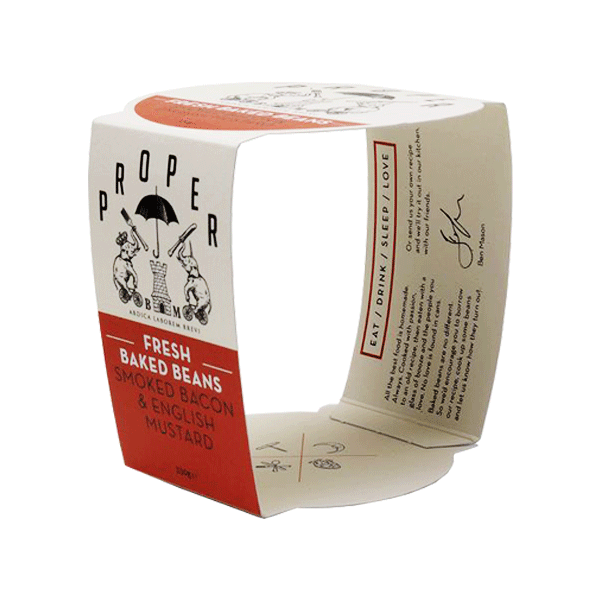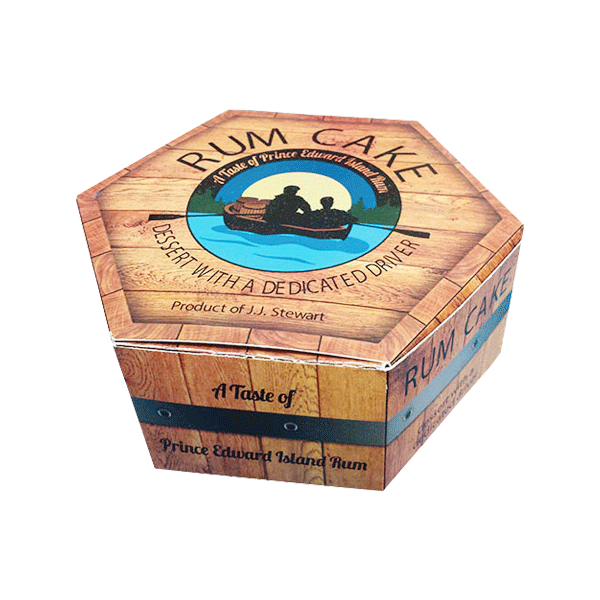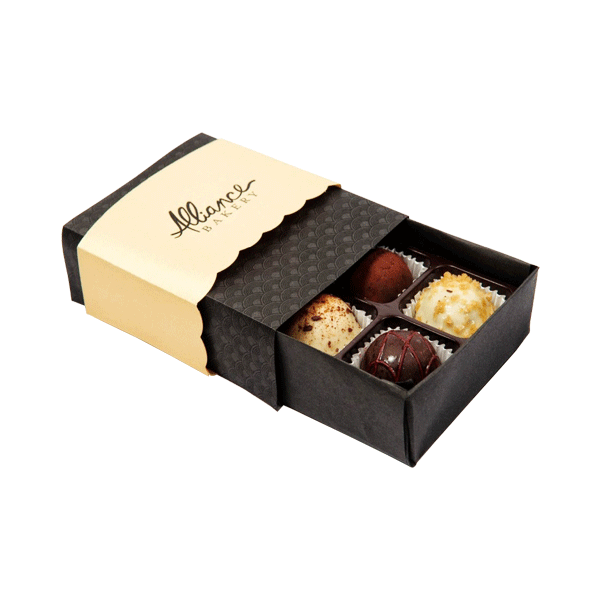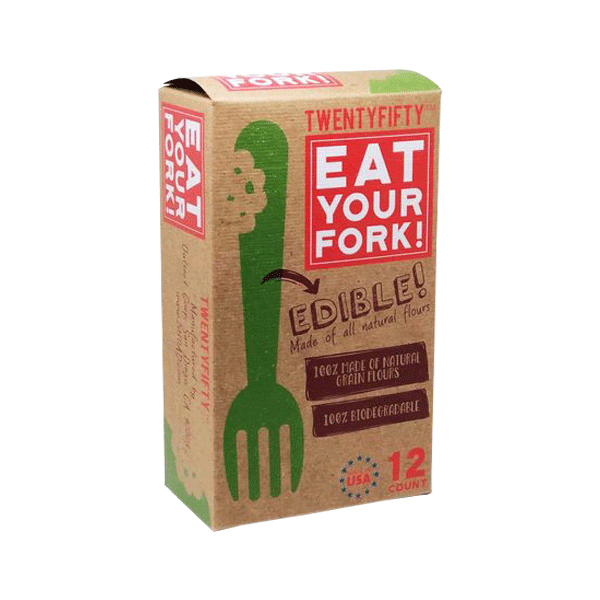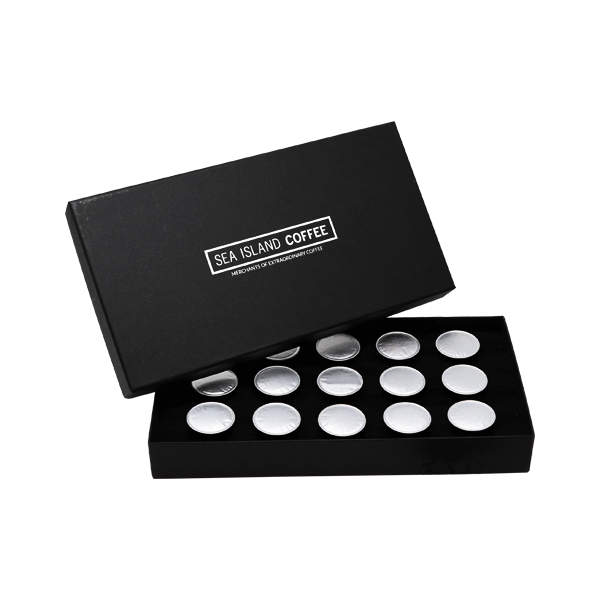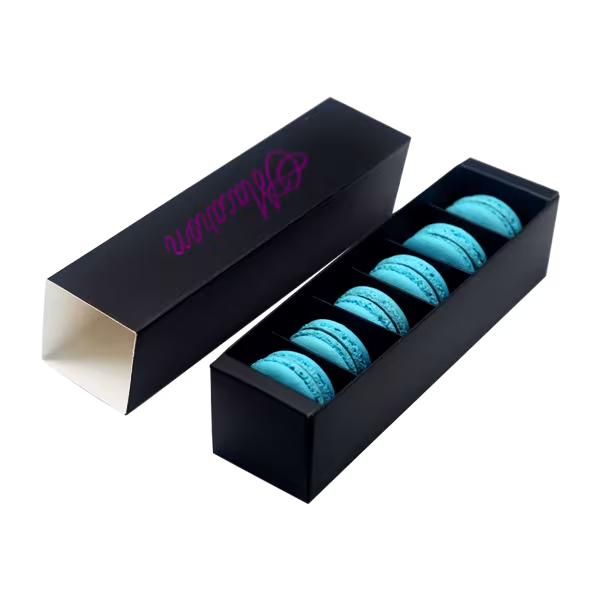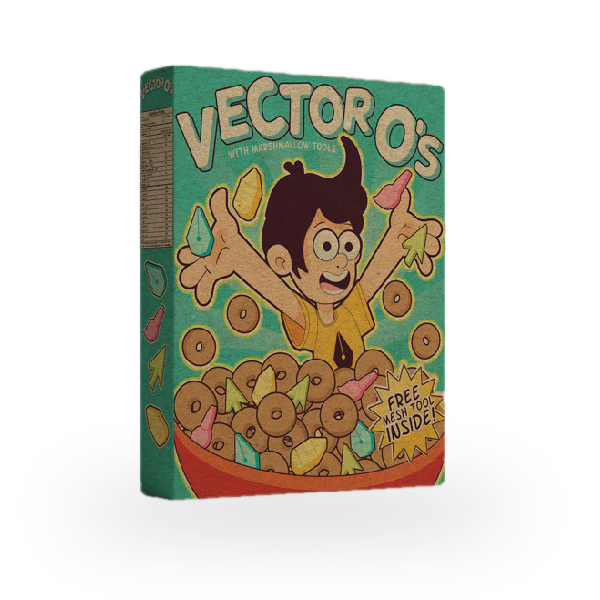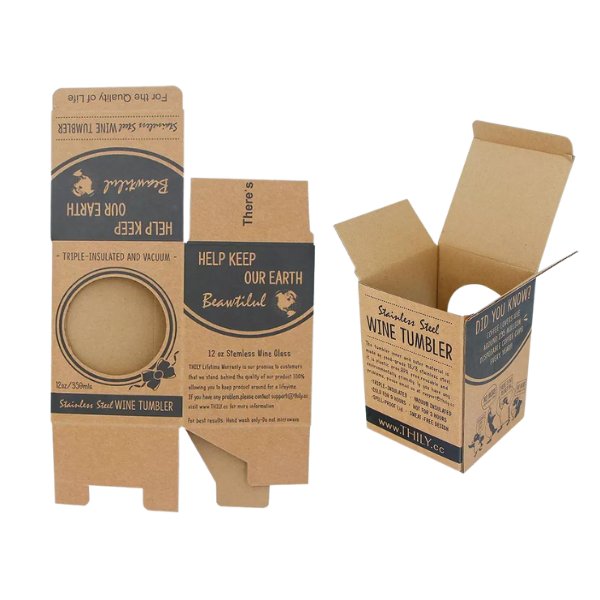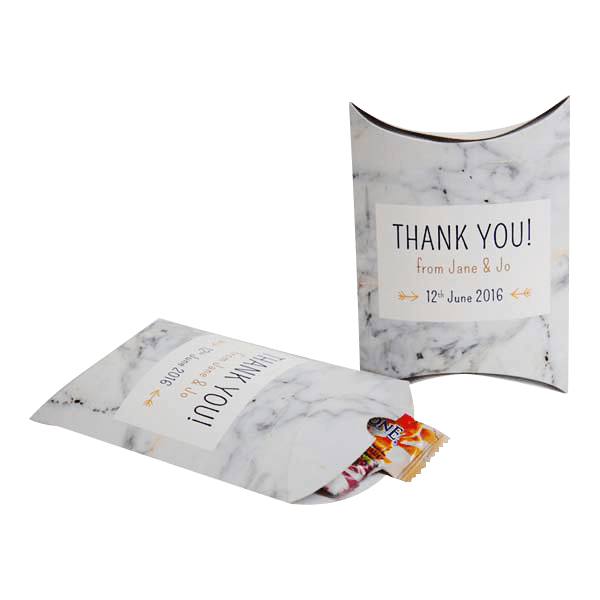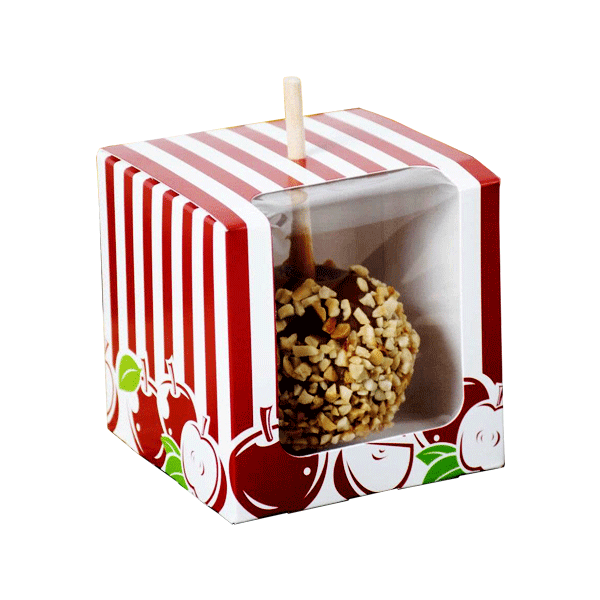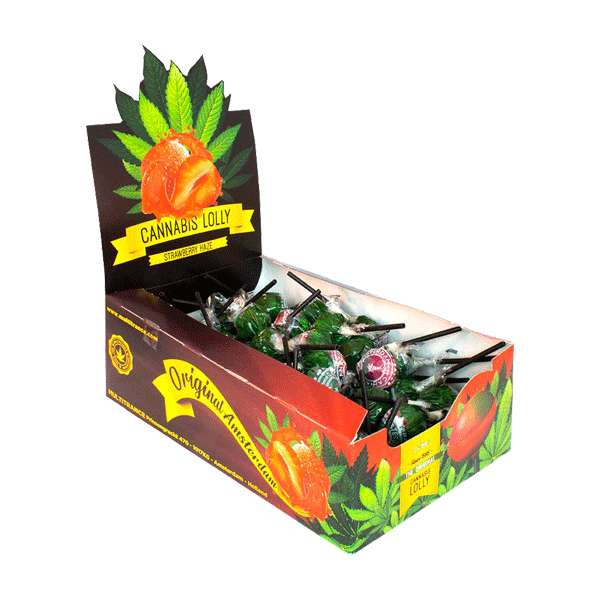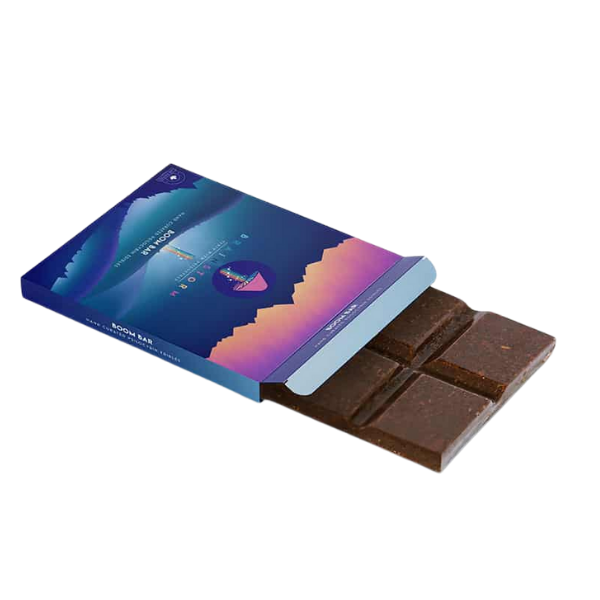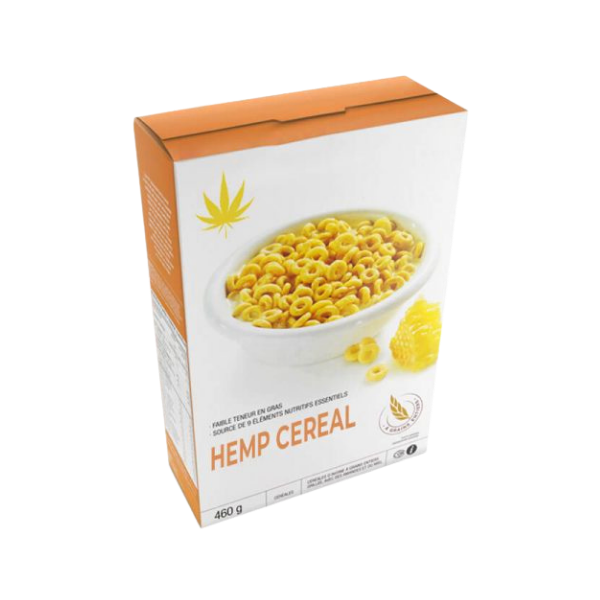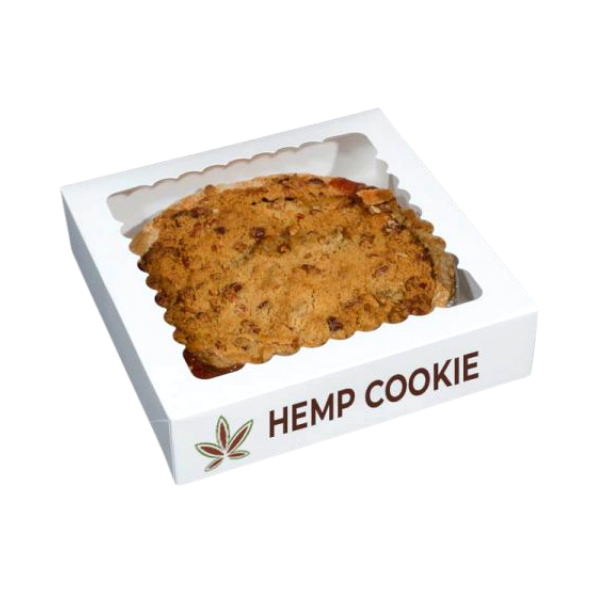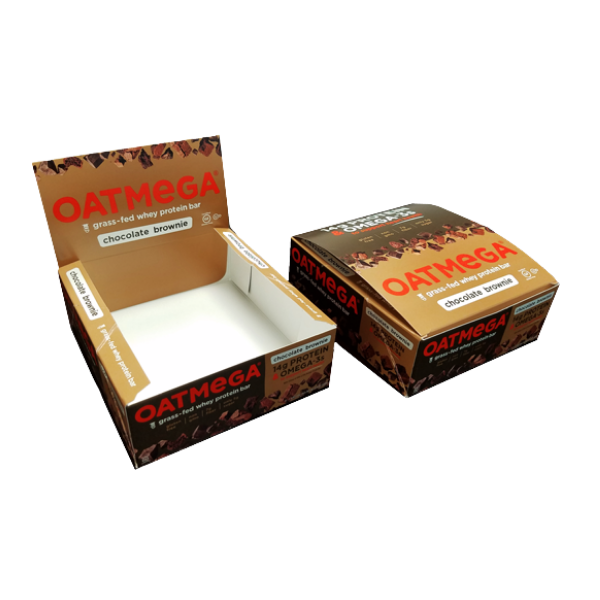
The packaging of products is now worth more than ever. Due to the allure of product packaging, consumers are more inclined to buy impulsively these days. These shifts have had a comparable influence on the food industry. Companies can set themselves apart and create a brand identity in the minds of customers with bespoke food packaging boxes.
The modern printers used for food packaging are technologically advanced in every aspect, including their appearance and adaptability. Modern food products are nutritious, healthy, and safe because of advanced packaging methods that ensure the highest possible level of food safety and quality.
Sire Printing's packaging experts have received a lot of questions on the different printing methods, such as "What kind of printing is used for packaging?" And what are the printing technologies for packaging? Thus, a blog post was necessary. The food box packaging business uses five main printing techniques, each with its own advantages and disadvantages. In this piece, we will focus on the following:
|
Printing using offset lithography |
Standard rotogravure |
Traditional digital printing |
|
Flexography in general |
Printing with Silkscreens |
In today's consumerism-driven society, packaging is crucial for attracting and retaining customers. It is a strong marketing tool that communicates brand identity and product information. For custom printed food packaging, there are a variety of printing methods available.
Everybody has pros and cons. In this article, we explore the many printing methods employed in specialized food packaging. The Sire Printing packaging team also evaluates their effectiveness and helps choose the best course of action for a variety of demands. The common and flexible offset printing technique involves transferring ink from a plate to the printing surface via a rubber blanket.
Offset printing transfers ink onto the substrate through a series of rollers and cylinders, delivering exceptional detail and accurate color reproduction. It is highly cost-effective for large production runs, produces superior print quality, and works well with a wide variety of materials. However, it requires longer setup times and is less suitable for short runs or frequently changing designs.
This method is widely used in customizable food packaging applications, including labels, cartons, and folding cartons. Overall, offset printing creates vibrant colors, sharp images, and fine details, making it an excellent choice for premium retail packaging, although its cost and setup time may not be ideal for smaller or highly customized orders.
Flexo printing uses a rotating cylinder with raised image areas to transfer ink onto the substrate, making it a preferred choice for high-speed production in the food packaging industry. It offers a strong balance of cost-effectiveness, fast turnaround times, and excellent ink coverage, which makes it ideal for medium to large-scale printing. While it may not deliver the same level of fine detail and color precision as offset printing, it remains highly efficient for bulk production.
This method is widely used across various products and plays an important role in meeting the growing demand for reliable food packaging supplies, including labels, flexible packaging, and custom corrugated boxes. Overall, flexo printing ensures vibrant colors, strong ink adhesion, and consistent performance, making it a practical and economical solution for high-volume food packaging, even though the level of detail may vary compared to other printing techniques.
During digital printing, ink or toner is transferred onto the substrate using inkjet or electrophotographic methods, offering quick setup times and allowing customized printing for each run. It provides advantages such as faster turnaround, the ability to print variable data, and reduced waste, although it may be less cost-effective for large production runs and offers a more limited color range for bespoke food packaging.
This method is ideal for adaptable food packaging needs, including on-demand printing of labels, wrappers, and pouches in short to medium runs. Overall, digital printing delivers high-quality prints, sharp images, and personalized packaging, making it especially suitable for niche products or limited editions, even though it can be more expensive for large-scale production and less effective for certain specialized finishes.
In rotogravure printing, ink is collected and transferred to the substrate using recessed cells on a cylinder, making it well-known for its ability to reproduce intricate patterns and fine details. This method delivers outstanding print quality, accurate color reproduction, and compatibility with a wide range of materials, although it involves higher upfront costs, longer turnaround times, and is less adaptable for frequent design changes.
It is commonly used in flexible food packaging applications such as shrink sleeves, labels, and premium bespoke printed food packaging boxes. Overall, gravure printing produces consistent, high-resolution results with vibrant colors and detailed finishes, making it ideal for high-end food products, even though it is less suitable for short runs or projects requiring frequent updates.
A comprehensive evaluation of the various printing methods used in food packing makes it evident. That each approach has its own benefits and drawbacks. The ultimate decision about the printing technique is influenced by a variety of considerations, including the necessary print quality, financial considerations, production rate, sustainability goals, and compatibility of packaging materials. Moreover, inspiration for food packaging design and regulatory compliance.
Brand owners and food packaging producers must carefully consider these elements... They make well-informed decisions to enhance brand awareness and establish customer trust. Moreover, loyalty and improving the visual appeal of their custom food packaging in an increasingly competitive market environment. There is no more waiting! And get your long-lasting, personalized printed food boxes right now.
Use double-walled corrugated boxes for durability and insulated liners with gel packs for temperature-sensitive items. Ship via expedited services (Overnight or 2-Day) through UPS, FedEx, or USPS to ensure freshness and prevent spoilage during transit.
Yes, but commercial shipments require an FDA Prior Notice filing. Only commercially processed, shelf-stable, and properly labeled items are generally allowed. Homemade or unsealed food products are strictly prohibited and may be confiscated by CBP.
The core requirements are FDA-compliance (food-grade materials), barrier protection (moisture and oxygen resistance), and structural integrity. Packaging must also feature high-quality professional printing to meet US retail and consumer standards.
Labels must legally include the Statement of Identity (product name), Net Quantity, Nutrition Facts panel, a full Ingredients List, and the Manufacturer’s address. Explicit Allergen Warnings are mandatory under US federal law.
Sustainability is a major sales driver in the US. Switching to recyclable or biodegradable materials enhances brand reputation, justifies premium pricing, and aligns with the environmental values of modern American consumers, leading to higher retention rates.