
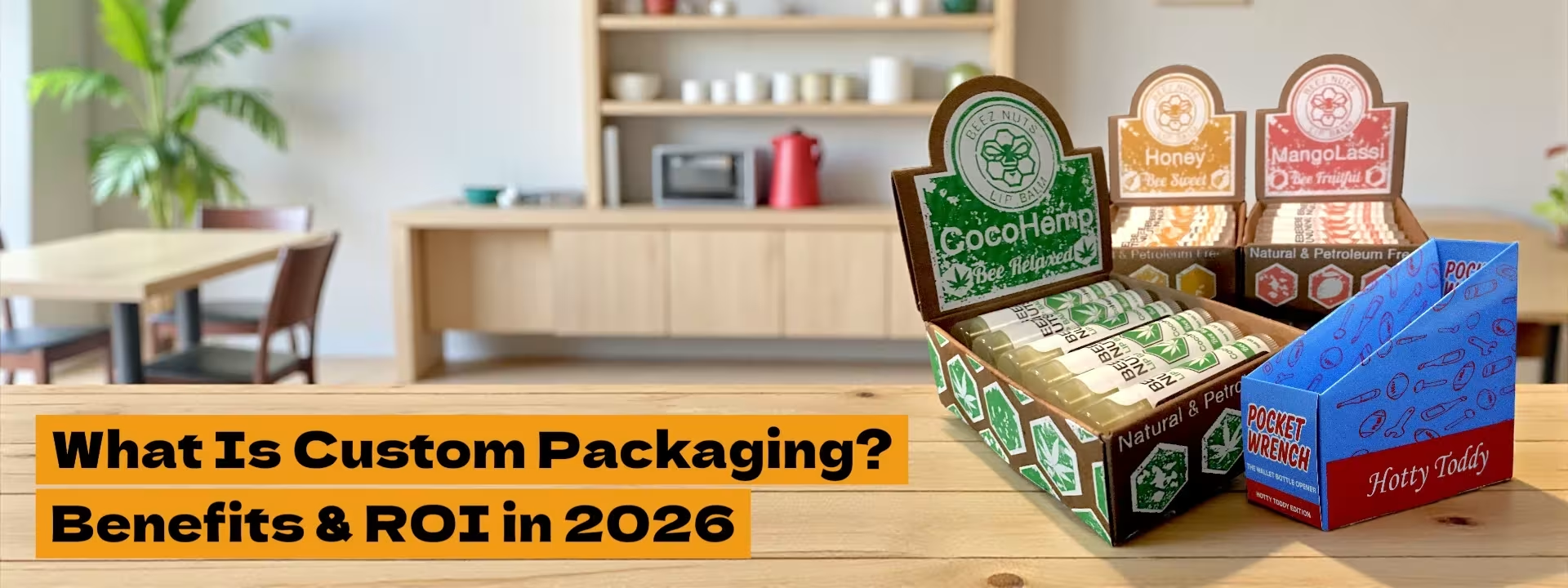
What is custom packaging? Custom packaging is the process of designing and producing packaging solutions that are tailored specifically to a product, a brand’s identity, and its customer journey. Instead of relying on generic boxes or standard containers, brands use custom packaging to control size, structure, materials, printing, and finishing so the packaging aligns perfectly with business goals.
In 2026, custom packaging has become a core branding and operational strategy for modern businesses in the USA. Consumers now evaluate brands not only by product quality but also by presentation, sustainability, and overall experience. Packaging is often the first tangible interaction a customer has with a brand, making it a critical factor in trust-building, differentiation, and long-term loyalty.
As eCommerce, direct-to-consumer models, and subscription services continue to grow, packaging is no longer just a protective layer—it is a communication tool, a marketing asset, and a value enhancer.
Modern brands operate in a highly competitive and fast-changing environment. In the USA market, customer expectations are higher than ever, while operational costs and competition continue to rise. Many businesses struggle to stand out in crowded online marketplaces, where products often look similar and pricing pressure is intense.
Another major challenge is maintaining brand consistency across multiple sales channels, including websites, marketplaces, retail shelves, and social media. At the same time, shipping-related issues such as product damage, high return rates, and increasing logistics costs directly impact profitability.
Sustainability has also become a defining challenge. Customers actively seek brands that demonstrate environmental responsibility, and regulatory pressure around packaging waste continues to increase. Without a thoughtful packaging strategy, brands risk losing both consumer trust and market relevance.
Custom packaging addresses these challenges by giving brands control over both form and function. When packaging is designed specifically for a product, it improves fit, reduces material waste, and enhances protection during transit. This directly lowers damage rates and shipping inefficiencies.
From a branding perspective, custom packaging allows businesses to communicate their values, quality standards, and personality through design. Visual consistency, messaging, and premium finishes help brands stand out and create a recognizable presence in competitive environments. By aligning packaging with customer expectations and operational needs, brands can turn packaging into a strategic advantage rather than a cost burden.
A strong brand identity is built through repeated, consistent experiences. Custom packaging reinforces brand identity by ensuring that every customer interaction reflects the same visual language and brand message. Elements such as logo placement, color schemes, typography, and structural design work together to create familiarity and trust. Over time, customers begin to associate the packaging itself with the brand, improving recognition and recall.
For growing businesses, investing in branded solutions such as Custom Packaging Boxes helps establish credibility and positions the brand as professional and reliable in the eyes of customers.
The customer experience does not end at checkout. The moment a customer receives and opens a package plays a significant role in shaping perception and satisfaction. Well-designed custom packaging enhances the unboxing experience by creating anticipation, excitement, and a sense of value. Thoughtful details such as clean presentation, clear messaging, and premium materials make customers feel appreciated.
In 2026, unboxing experiences are frequently shared online, turning packaging into an organic marketing channel that supports brand visibility and customer advocacy.
Product protection remains one of the most practical benefits of custom packaging. Generic packaging often leaves excess space, increasing the risk of movement and damage during shipping. Custom packaging is engineered to match product dimensions and fragility, providing better structural support and cushioning. This reduces breakage, minimizes returns, and protects brand reputation.
For brands shipping across the USA, optimized packaging also helps control dimensional weight costs, contributing to overall operational efficiency.
Sustainability is no longer optional for modern brands. Consumers expect transparency and responsibility, especially when it comes to packaging waste. Custom packaging enables brands to choose materials that align with environmental goals, reduce unnecessary layers, and optimize package size. Solutions such as Eco-Friendly Packaging allow businesses to demonstrate commitment to sustainability without compromising on quality or presentation. Communicating these efforts clearly through packaging builds trust and strengthens relationships with environmentally conscious customers.
For small and mid-sized businesses, cost is a valid concern. However, custom packaging should be evaluated as a long-term investment rather than a short-term expense. The value comes from improved brand perception, higher customer retention, reduced damage-related losses, and stronger market positioning. When packaging supports both marketing and logistics, it delivers measurable returns over time. Brands that scale successfully often do so by integrating packaging into their overall growth strategy rather than treating it as an afterthought.
Different industries have unique packaging requirements. Custom packaging adapts to these needs by balancing compliance, functionality, and branding. For example, eCommerce brands focus on durability and shipping efficiency, while retail brands prioritize shelf appeal. Subscription businesses rely on repeatable yet engaging unboxing experiences, and niche products may require specialized formats such as custom pillow boxes for lightweight or gift-oriented items. This flexibility makes custom packaging suitable for a wide range of business models.

Choosing the right packaging starts with understanding your product and your customer. Brands should evaluate product dimensions, fragility, shipping methods, and storage requirements before finalizing a design. Equally important is aligning packaging with brand positioning and budget. Testing prototypes, selecting scalable materials, and working with an experienced packaging partner can prevent costly mistakes and ensure long-term success.
One common mistake is prioritizing aesthetics over functionality. While design matters, packaging must also protect the product and perform well in transit. Other issues include inconsistent branding, choosing low-quality materials, or failing to consider sustainability expectations. Some brands also overlook compliance requirements for regulated products such as custom cigarette boxes, which can lead to legal and logistical challenges.
Avoiding these mistakes requires planning, testing, and expert guidance.
Packaging directly influences purchasing decisions. Customers often associate packaging quality with product quality, especially when comparing similar products. Custom packaging supports marketing by improving shelf presence, reinforcing brand messaging, and encouraging word-of-mouth sharing. In competitive categories, packaging can be the deciding factor that converts interest into a sale.
Across the USA, brands have used custom packaging to drive measurable results. Wellness brands use clean, minimal designs to communicate purity and trust, while lifestyle brands leverage bold visuals to stand out. Specialty products such as custom incense boxes and custom cosmetic packaging demonstrate how packaging can align with product purpose while elevating perceived value.

These examples highlight the impact of thoughtful packaging strategy.
Sire Printing works with modern brands to develop packaging solutions that align with current market demands and future growth goals. By combining material expertise, advanced printing capabilities, and structural design knowledge, Sire Printing supports brands from concept to production. The focus is on creating packaging that enhances brand identity, improves customer experience, and scales efficiently as businesses grow in the USA market.
Looking ahead, custom packaging will continue to evolve with technology and sustainability at the forefront. Brands are increasingly adopting smart packaging elements such as QR codes for digital engagement, along with minimalist designs that reduce waste. Advancements in materials, personalization at scale, and data-driven design decisions will shape how packaging supports both marketing and operations in the years ahead.
In 2026, understanding what is custom packaging is essential for any brand aiming to compete and grow in the modern marketplace. Packaging influences how customers perceive a brand, how products perform during shipping, and how effectively sustainability goals are met. For businesses targeting the USA market, strategic custom packaging is a powerful tool that supports branding, customer experience, and long-term profitability. With the right approach and the right partner, packaging becomes a meaningful driver of business success.